year-old delivery driver targeted in robbery alongside another victim in San Juan

Delivery drivers have become an essential part of modern urban life, relying on platforms like Uber, Lyft, DoorDash, and others to facilitate their work. Unfortunately, this vital service comes with its own set of risks, as highlighted by a recent incident in San Juan where a year-old delivery driver fell victim to a robbery alongside another individual. As urban areas continue to grow and evolve, understanding the challenges faced by delivery personnel is crucial.
Risk Factors for Delivery Drivers in Urban Areas
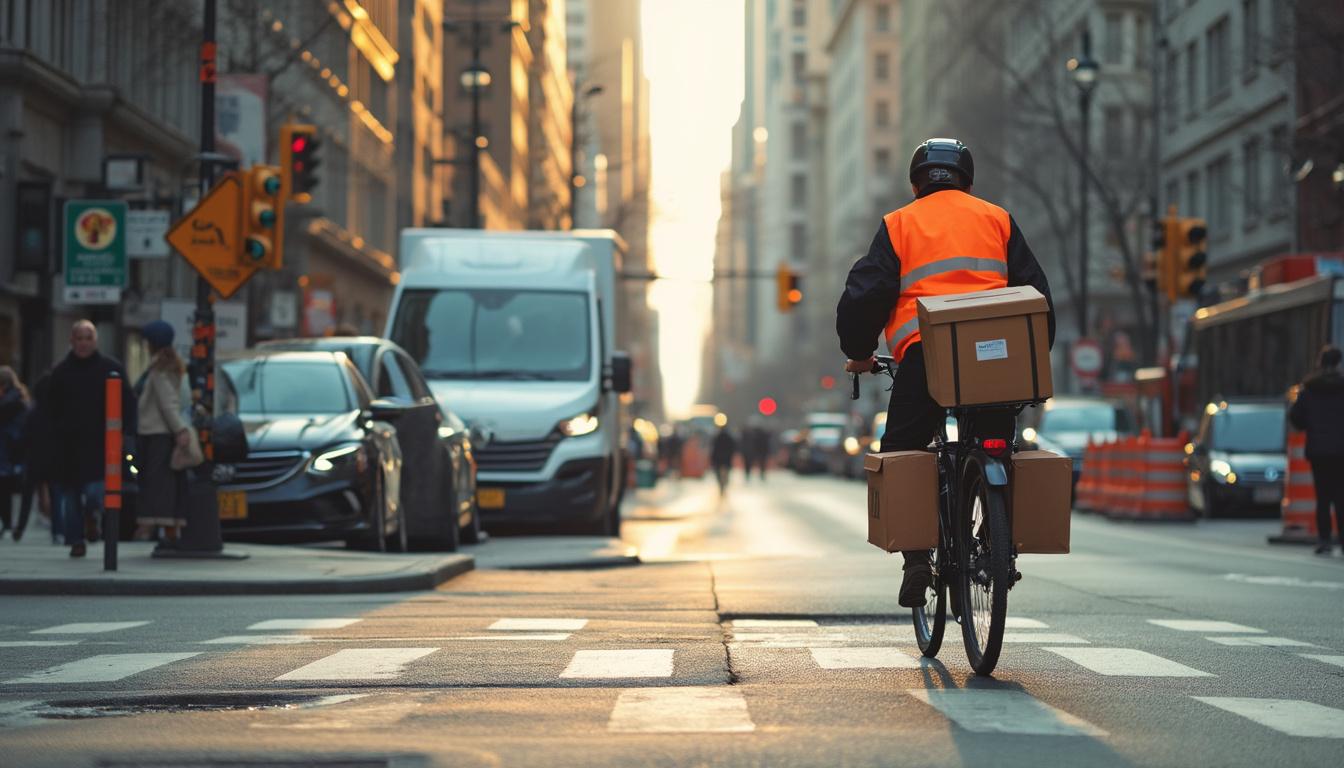
Delivery drivers navigate busy streets, often late at night and in unfamiliar neighborhoods. The nature of their work requires them to be mobile, making them potential targets for criminals. To understand this risk, one must consider various factors that increase vulnerability.
- Isolation: Many deliveries occur in remote or poorly lit areas, and drivers can find themselves alone for extended periods.
- Late-Night Shifts: The demand for food and package deliveries often peaks after dark, increasing exposure to criminal activity.
- High-Value Items: Delivery drivers transport goods that can be of high value, making them attractive targets for theft.
- Limited Support: Drivers often work alone, leaving them without immediate assistance during a crisis.
Moreover, incidents of food delivery drivers being targeted have risen significantly in recent years. For instance, one influential case involved a teenage suspect responsible for robbing a pizza delivery driver in Pittsburgh, underscoring the danger experienced across various locations.
Impact of Crime on Delivery Services
The implications of crime extend beyond individual safety concerns and disrupt the entire logistics network. The challenges posed by robberies and violent incidents can lead to decreased morale among delivery personnel, ultimately impacting operational efficiency. For example, when drivers feel unsafe, they may limit their service hours, leading to delays in deliveries. This situation can result in dissatisfaction among customers and, in turn, damage the reputation of delivery platforms.
In recent years, incidents of violence against delivery workers have increased. The struggle against this issue demands that companies adopt comprehensive safety measures. For instance, platforms like Postmates and Grubhub have started implementing features that facilitate real-time tracking and emergency assistance options for their drivers. Such innovations aim to provide improved safety and security to drivers during their shifts.
The Growing Attention to Delivery Driver Safety
Reflecting on the growing concern for delivery driver safety, it is crucial to highlight the collaborative efforts between law enforcement and delivery companies. Many cities are now working directly with ride-sharing and delivery platforms to develop strategies to combat crime.
One initiative has been the introduction of community support programs where local businesses contribute to the safety of delivery drivers. These initiatives, designed to create safer environments, may involve well-lit pickup areas or designated delivery zones equipped with security cameras. The goal is to establish a safety net for drivers while fostering greater community relations.
| City | Safety Measures Implemented | Partnerships |
|---|---|---|
| San Juan | Increased lighting and CCTV | Local businesses and police |
| Pittsburgh | Driver safety workshops | Uber and local police |
| Chicago | Emergency response apps | FedEx and local authorities |
An emphasis on safety is critical. Reports suggest that platforms like Instacart and Amazon Flex are also prioritizing driver well-being by providing educational resources aimed at recognizing and avoiding potentially dangerous situations. Promoting awareness plays a significant role in reducing risks for delivery personnel.
Precautionary Measures for Delivery Drivers
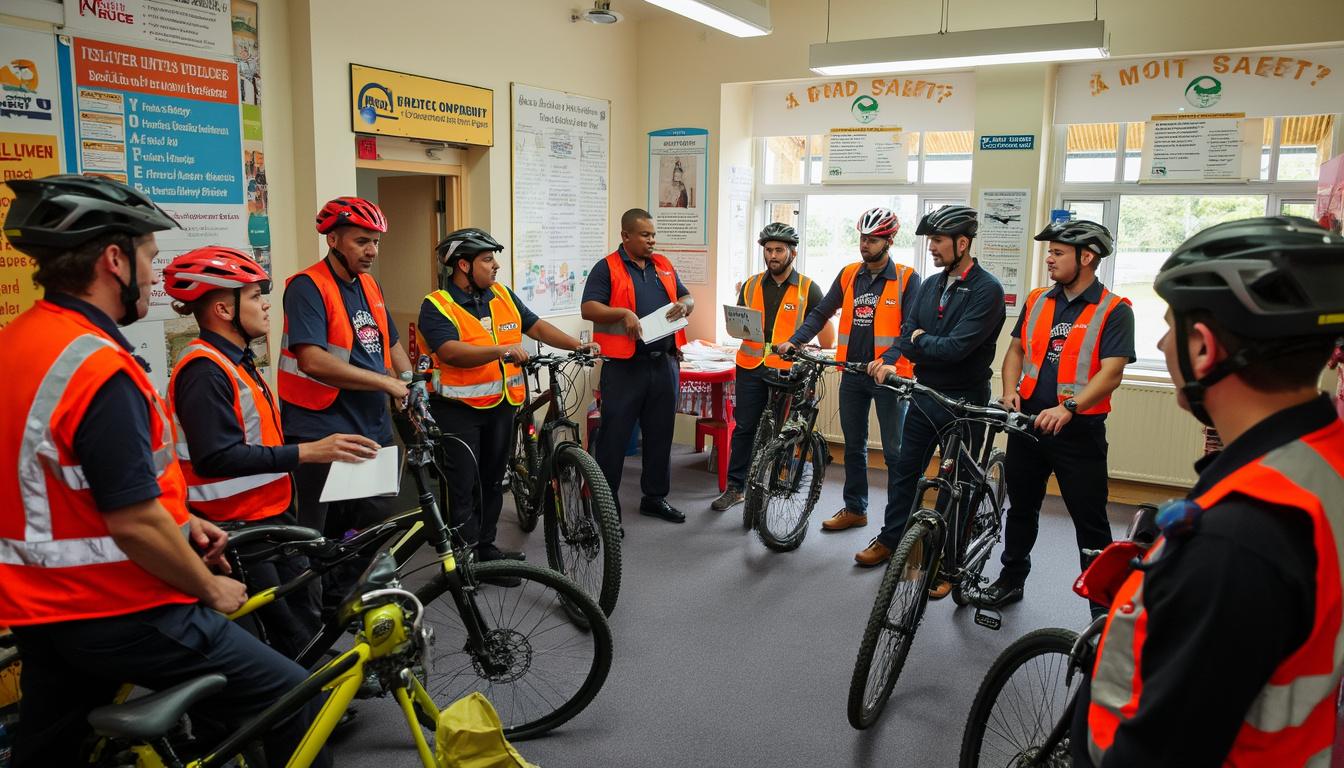
In light of recent events, developing a personal safety protocol becomes essential for delivery drivers. While companies can enact further policies and advanced safety features, individual awareness and proactive measures can enhance overall security.
- Stay Aware: Drivers should remain vigilant about their surroundings at all times, especially in unfamiliar neighborhoods.
- Plan Routes: Utilize real-time navigation apps developed by delivery platforms to choose the safest routes during shifts.
- Carry Minimal Cash: To deter theft, drivers should avoid carrying large amounts of cash or valuable items.
- Keep Communication Open: Drivers should inform friends or family about their delivery routes and check-in regularly.
- Use Safety Apps: Employ mobile applications dedicated to enhancing personal safety, with features like GPS tracking and emergency alerts.
Furthermore, numerous delivery personnel share tips on social media platforms, enhancing awareness and collaboration. This can be seen through initiatives like community forums where drivers exchange experiences and strategies for enhancing safety while on the job.
The Role of Technology in Enhancing Safety
As the gig economy continues to expand, advancements in technology can contribute significantly to improving delivery driver safety. Companies are investing in innovative solutions that leverage technology to mitigate risks effectively.
One notable development is the integration of more sophisticated identification and verification processes through mobile applications. These steps can include facial recognition technology and enhanced ID verification before drivers are allowed to make deliveries. Such measures serve not only to protect drivers but also to deter potential offenders.
| Technology | Benefits | Example Implementation |
|---|---|---|
| Facial Recognition | Reduces fraud and increases driver accountability | Uber's driver verification process |
| Real-time GPS tracking | Enhances location visibility and emergency response | Postmates' tracking features |
| Emergency Alert Systems | Quick access to help during critical situations | Grubhub's emergency button |
Ultimately, the combination of technology, community engagement, and individual responsibility creates a safer working environment for delivery drivers. The continuous improvement of safety measures will substantiate a more sustainable gig economy.
Increased Awareness and Community Support
The troubling reality of violence against delivery drivers has fostered a growing concern among communities and cities alike. Local governments and businesses collaborate to support drivers’ safety initiatives while informing the public about this pressing issue.
Numerous advocacy groups are raising awareness about the rights of delivery drivers, promoting safer environments. Campaigns focus on encouraging customers to be mindful of their behavior toward delivery personnel and foster a respectful culture surrounding food delivery services.
- Community Education: Educational programs aim to teach the community about the challenges faced by delivery drivers.
- Support Networks: Establishment of networks where drivers can connect and share experiences as a safety measure.
- Public Safety Campaigns: Local governments promoting dialogue on safety measures at community events.
As awareness efforts gain traction, the importance of communities coming together to address these issues becomes increasingly evident. For example, residents can actively participate in local forums discussing the importance of safety for those providing essential services like UPS and FedEx drivers.