St. Maarten issues alert about deceptive seafarer qualifications and documentation

Amidst the picturesque backdrop of the Caribbean, St. Maarten is grappling with a disconcerting issue—fraudulent maritime documentation that undermines the integrity of its seafarers. The government, through its Ministry of Tourism, Economic Affairs, Transport, and Telecommunications, has issued a major alert to address the rising prevalence of fake seafarer qualifications. These issues not only jeopardize marine safety but also impose severe repercussions on innocent seafarers misled by fraudulent operations.
Awareness Campaign Against Fraudulent Seafarer Certifications
To comprehensively tackle the issue of deceptive maritime documentation, the government of St. Maarten has initiated a robust awareness campaign informing seafarers and maritime stakeholders about the critical need for verification of qualifications. Evidence indicates that various entities, under misleading domains such as MSTA Registry and IMS Registry, are unlawfully issuing certificates falsely attributed to St. Maarten. This has raised concerns about marine safety and regulatory compliance across the region.
The alert follows a report from an Indian seafarer on September 22, 2020, questioning the authenticity of his certificates. The situation prompted a detailed internal investigation by the Maritime Affairs office. The expediency with which the ministry acted demonstrates its commitment to combatting fraudulent activities:
- Internal investigation on reports of fraudulent documentation.
- Immediate notification to the Government of the Netherlands.
- Collaboration with the Caribbean Memorandum of Understanding (CMOU) and the International Maritime Organization (IMO) to alert member states of potential risks.
As investigations unfold, the government emphasizes that only certifications sanctioned directly by local competent authorities carry legitimacy. This reinforces the importance of recognizing legitimate certification agencies while avoiding deceptive entities that could lead to significant financial and safety risks.
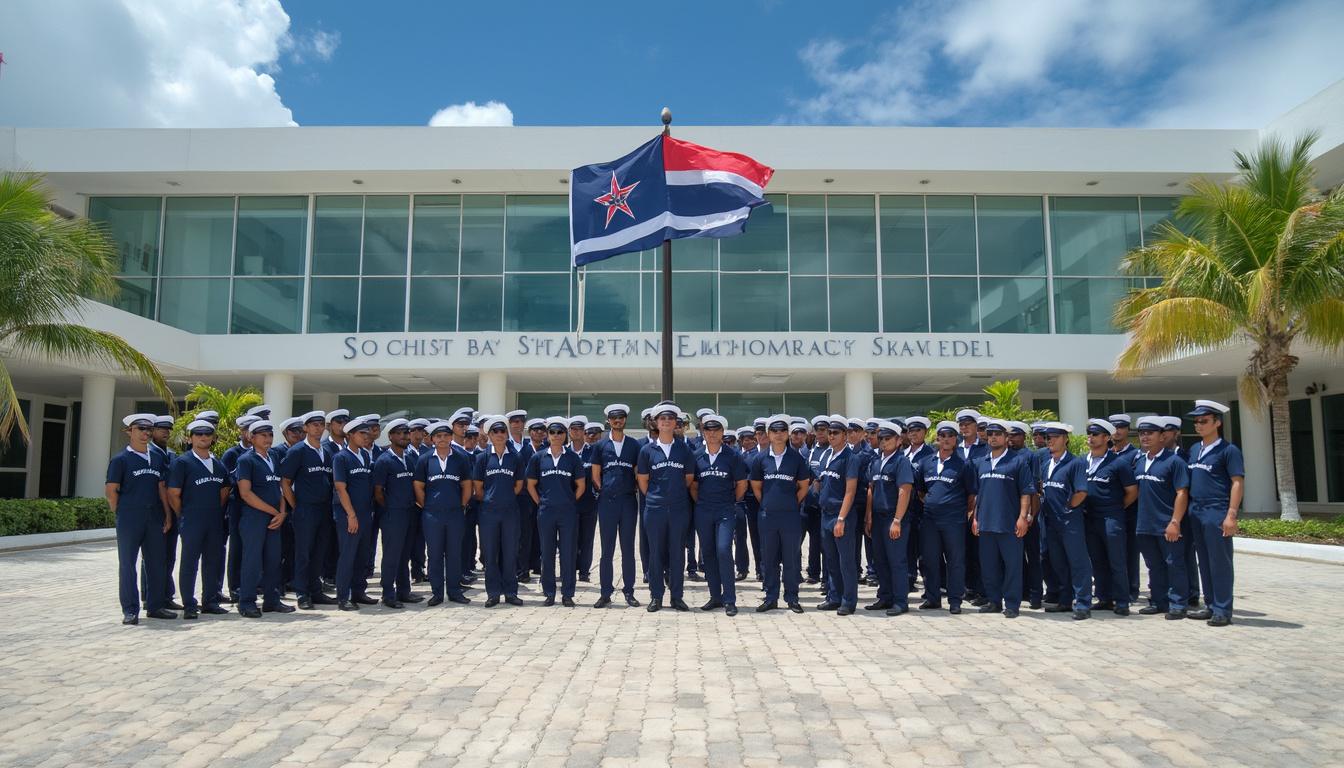
The Role of Collaborative Efforts in Combating Maritime Fraud
Cooperation amongst international maritime bodies and local authorities plays a pivotal role in eradicating fraudulent practices. The collaboration extends to monitoring insurgent fraudulent organizations and issuing regular alerts that form part of a larger maritime safety framework. Notably, the involvement of the CMOU and the IMO helped in disseminating vital data to flag states around the globe. Several actions exemplify the effectiveness of this partnership:
- Establishment of a centralized body to report fraudulent activities.
- Creation of a public database listing legitimate maritime training entities.
- Regular updates to regulatory frameworks adapting to emerging fraudulent methodologies.
This ongoing coalition also extends efforts to share best practices concerning seafarer training, crew management, and maritime safety across jurisdictions, reinforcing the need for thorough checks and assessments throughout the maritime industry.
The Implications of Fraudulent Maritime Certifications
The ramifications of fraudulent certifications extend far beyond the immediate concerns surrounding marine safety. As legitimate seafarers face an increasingly precarious job market, the proliferation of fake qualifications has culminated in detrimental consequences:
| Impact | Details |
|---|---|
| Financial Losses | Innocent seafarers invest in training, only to discover their qualifications are invalid. |
| Legal Repercussions | Use of fraudulent documents can lead to legal action against unaware seafarers. |
| Reputation Damage | St. Maarten's standing in the international community is jeopardized. |
These effects create a ripple across the maritime industry, as employers seek to distance themselves from risk associated with insufficiently vetted qualifications. This cycle amplifies the need for strict adherence to regulatory compliance, ensuring seafarers possess verified credentials that meet the accepted standards. As one prominent figure in the government articulated, “Our integrity is not for sale, and our flag will not be misused.”
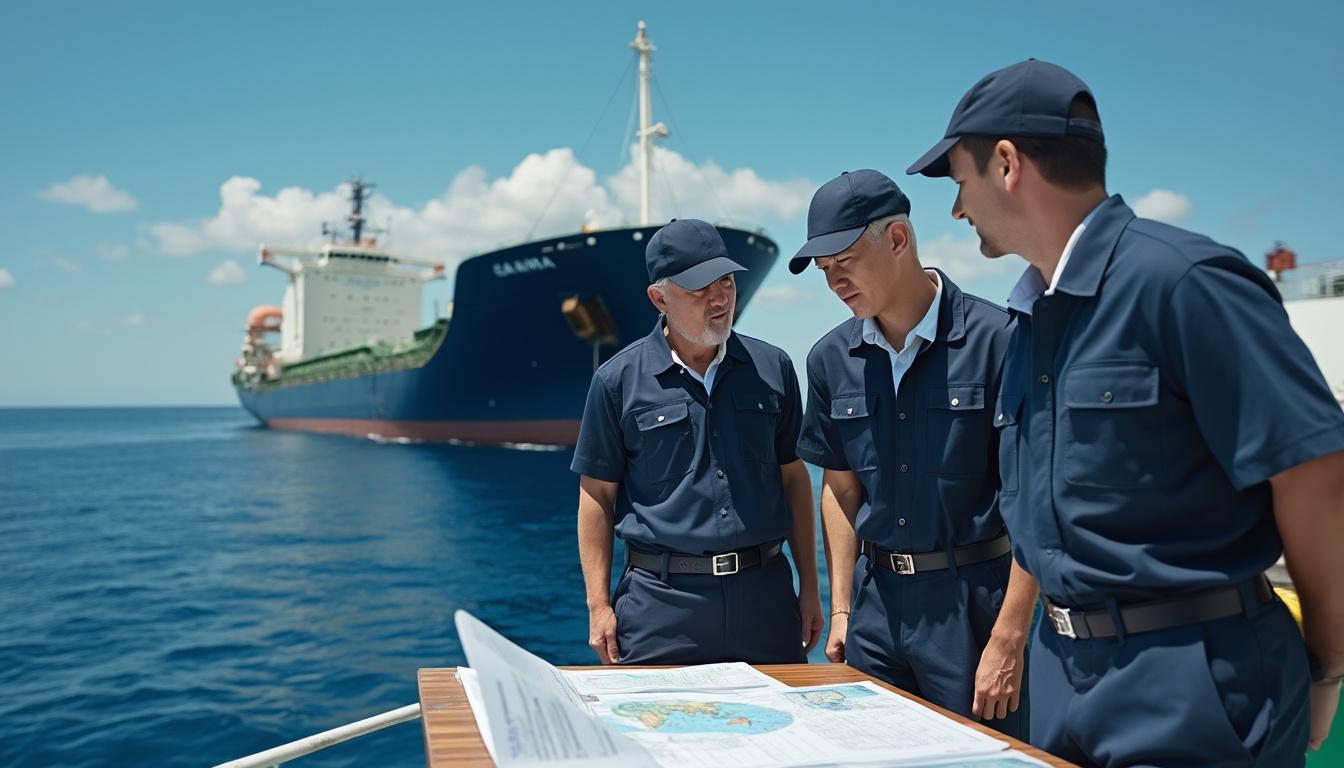
The Importance of Vigilance Among Stakeholders
It’s imperative for everyone involved in maritime operations—be it employers, seafarers, or regulatory authorities—to remain vigilant in verifying credentials. There is an increased emphasis on due diligence and proactive checks to prevent fraudulent certificates from infiltrating the workforce:
- Verification through official maritime regulatory bodies.
- Implementation of advanced technology to scrutinize documentation.
- Hosting training workshops for employers on recognizing fraudulent credentials.
Education also serves as a powerful tool against deceit. Nautical schools are urged to provide accurate information to aspiring seafarers about potential threats posed by fraudulent operations. By addressing this proactively, the chances of falling prey to scams can be markedly diminished.
Strengthening Maritime Regulations and Enforcement
In conjunction with education, there’s a pressing need for robust maritime regulations aimed at fortifying the safeguards against fraudulent certifications. Effective enforcement of these regulations can create a comprehensive framework that addresses the scope of this issue:
| Regulatory Measure | Description |
|---|---|
| Stricter Penalties | Impose severe penalties on organizations caught distributing false documentation. |
| Improved Compliance Checks | Regular audits of training institutions and certification agencies. |
| Reporting Mechanisms | Encourage a transparent reporting system for fraudulent activities. |
These measures not only enhance maritime safety but also restore faith in the legitimacy of St. Maarten’s maritime operations. Reinforcement of a zero-tolerance policy towards fraud will foster an environment of accountability and trust. This consistency will not only uplift the reputation of maritime operations in St. Maarten but will also serve to protect genuine seafarers and ensure their paths towards career advancement are clear.
Implementing an Integrated Approach
Effectiveness in tackling fraudulent seafarer documentation will require a cohesive approach involving multiple stakeholders. Involvement from government authorities, maritime organizations, and the seafarers themselves is essential in establishing a reliable framework:
- Encouraging cooperation between national and regional bodies to share intelligence on fraudulent practices.
- Engaging with industry players to promote transparency in certification processes.
- Developing initiatives aimed at increasing public awareness about maritime fraud.
The issue of fraudulent certificates cannot be viewed in isolation; it requires the commitment of all involved to foster an environment where genuine qualifications are upheld while misleading claims are swiftly countered. The landscape of maritime safety is intricately linked to the integrity of qualifications, and as St. Maarten forges a path towards stronger enforcement and preventive measures, the commitment to this cause remains unwavering.
Call-to-Action for Seafarers and Employers
As a final note, the government of St. Maarten urges all seafarers and employers within the maritime sector to take affirmative actions to ensure compliance with international standards. Verification of qualifications through official channels is paramount to preserving the integrity of maritime operations.
Stakeholders are encouraged to complete audits of seafarer documents and enhance training programs on recognizing fraudulent practices. Further, direct engagement with the Maritime Affairs office should be prioritized for any concerns about qualifications.
- Establish a direct line of communication with government authorities.
- Increase collaboration amongst employers to share experiences regarding fraud.
- Highlight the importance of continued education on maritime safety.
As St. Maarten endeavors to tackle these fraudulent practices with unwavering determination, the collective responsibility of maintaining the sanctity of seafarer qualifications and documentation should resonate across all facets of the maritime community. The message is clear—the commitment to safeguarding our maritime domain is a shared endeavor.