St. Maarten alerts public about fraudulent flags and seafarer documents
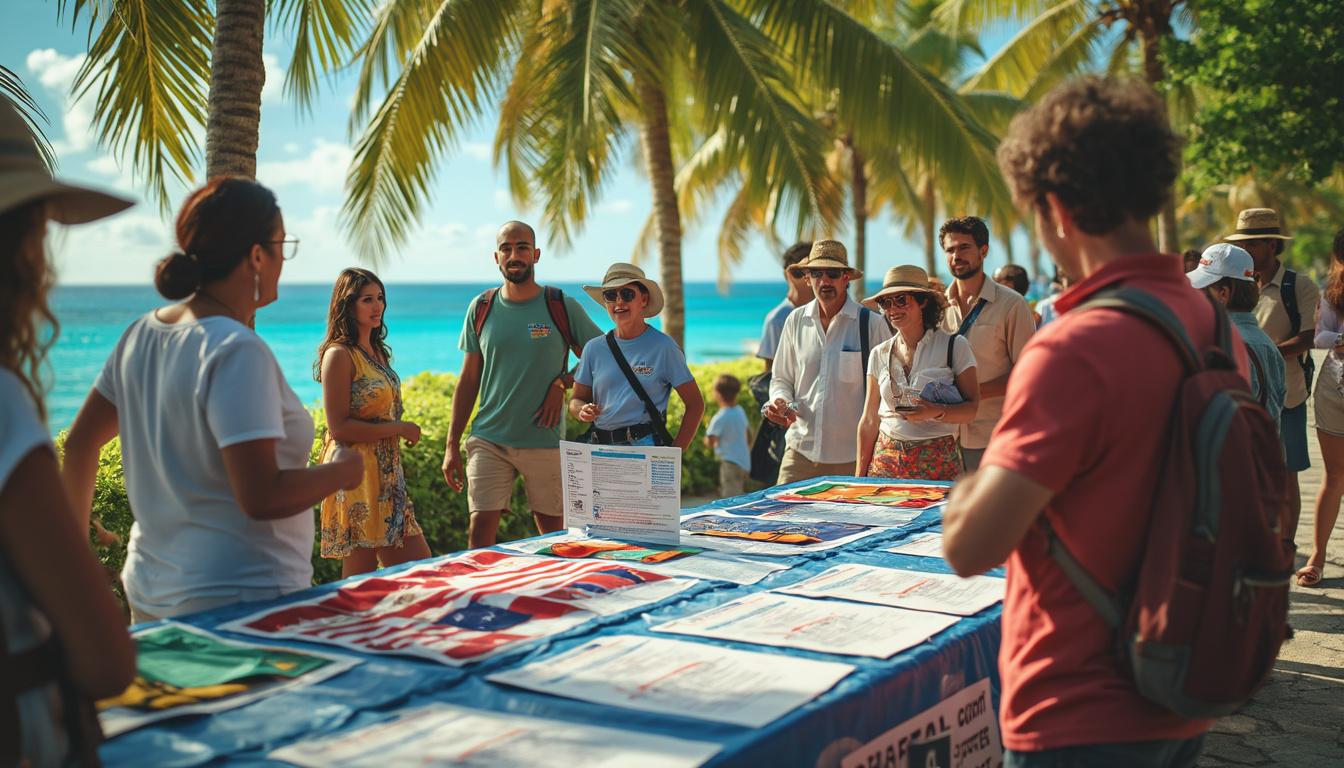
St. Maarten, a picturesque island in the Caribbean, has found itself embroiled in a troubling situation regarding maritime safety and the misuse of its flag. With reports soaring about fraudulent operations promoting nonexistent international flag registries and the issuance of seafarer documents, the local government is taking definitive steps to address this alarming trend. Authorities are committed to maintaining the integrity of their port authority, and they are adamant that the nation's reputation will not be tarnished by the actions of unscrupulous individuals. The island's officials are collaborating with international organizations to tackle the issue head-on, ensuring that the safety and compliance of seafarers are prioritized.
Understanding the Scope of Maritime Fraud in St. Maarten
The phenomenon of fraudulent flags has gripped many nations, but St. Maarten's case is particularly concerning due to the scale of the deception and its implications for maritime security. The government has reported that since the exposure of this fraud nearly five years ago, more than 20 ships have been listed in databases like Equasis as falsely displaying the St. Maarten flag. Among these are a whopping 160,000 GT crude oil tanker and several other large carriers that pose serious risks to global marine security.
Compounding these concerns is the fact that fraudulent entities are offering fictitious services claiming to be associated with St. Maarten’s maritime activities. The local government, led by the Minister of Tourism, Economic Affairs, Transport, and Telecommunications, has clarified that St. Maarten does not issue maritime certificates for vessels exceeding 500 gross tons, nor does it maintain an international flag registry. This clear statement aims to discredit the rampant misinformation being disseminated.
Identifying the Players in Maritime Fraud
Fraudulent operations typically utilize deceptive online platforms to entice unwitting seafarers and ship owners into believing they are obtaining legitimate documentation. For instance, companies like Maritime Safety & Technical Administration (MSTA) and others have appeared to mislead customers into believing they are authorized to issue credentials under the St. Maarten flag. Victims of this deception often find themselves financially harmed and with invalid credentials that could jeopardize their careers.
Potential victims should be aware of key indicators of fraudulent activity, such as:
- Promises of official documentation without clear contact information or professional background.
- Exaggerated claims about certification speed and ease of acquiring credentials.
- Failure to provide physical addresses or legitimate contact pathways for inquiry.
- Lack of transparency regarding fees charged for services questionable times.
Impact of Fake Credentials on Maritime Safety
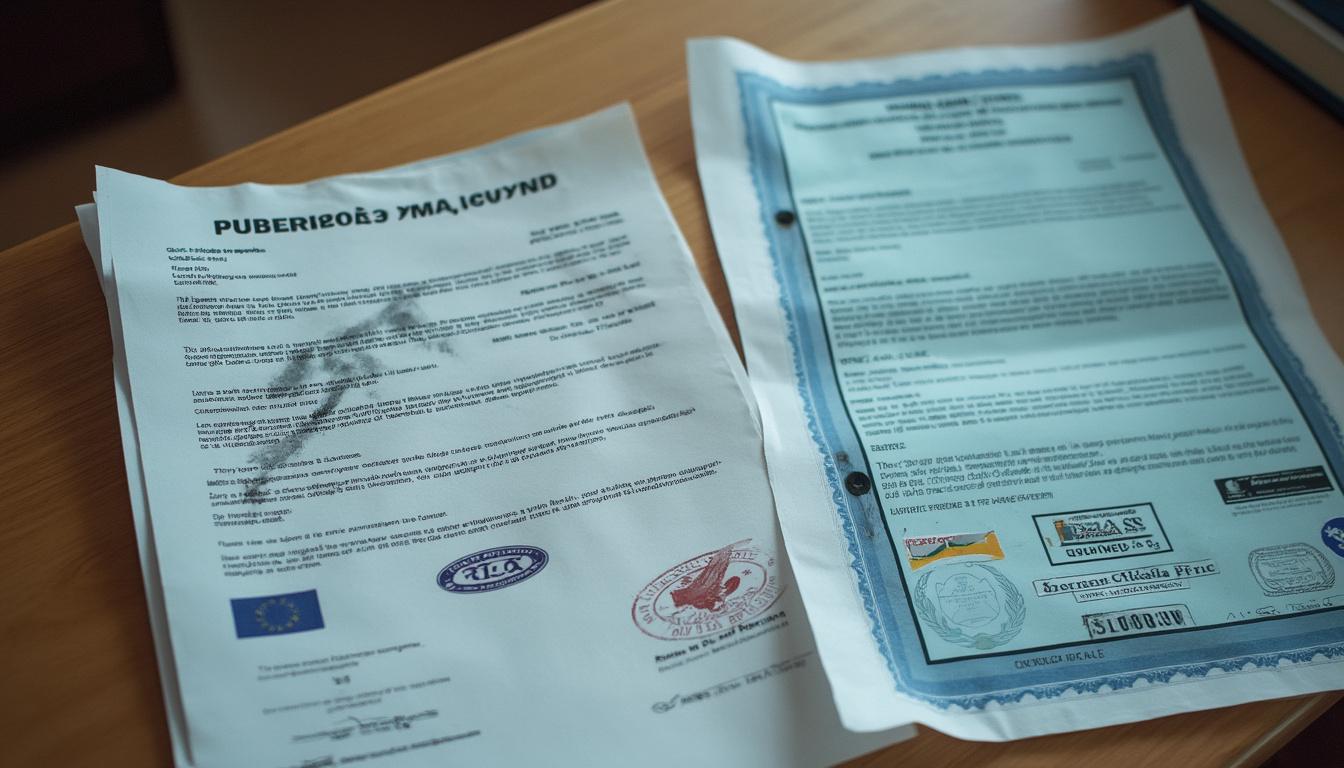
The ramifications of operating under false maritime credentials extend beyond individual losses; they endanger the overall integrity of nautical compliance and maritime operations. When vessels with fraudulent documentation are allowed to sail, they may not adhere to vital nautical regulations regarding vessel safety, crew training, and environmental protection.
What makes these fraudulent documents particularly dangerous is that they often lack rigorous validation. Crew members who believe they hold legitimate roles aboard these ships are frequently unqualified, which leads to a myriad of potential issues, including operational mishaps, maritime incidents, and failures in emergency protocol adherence.
Legal Recourse and Government Response
In response to this burgeoning issue, St. Maarten’s government has initiated various legal avenues to combat fraud effectively. Reports indicate that there is increased collaboration with international bodies like the International Maritime Organization (IMO) to issue a global alert. The Caribbean Memorandum of Understanding organization is also in the fold, allowing for coordinated efforts to apprehend those responsible for perpetrating these scams.
As a result, the government emphasizes vigilance among seafarers and maritime stakeholders. They encourage individuals to take the following actions:
- Verify credentials: Always check the validity of documents through official government channels.
- Report suspicious activity: Alert the local maritime authorities to instances of potential fraud.
- Utilize official documentation: Ensure that all certificate acquisitions are conducted through recognized and verifiable agencies.
- Stay informed: Regularly consult government announcements and updates surrounding maritime safety issues.
The Role of International Cooperation in Fighting Fraud
St. Maarten's case underscores the necessity of international cooperation in combating maritime fraud. The country's government has expressed gratitude for the support it receives from the Kingdom of the Netherlands in dealing with these significant challenges. Collaborative efforts with the U.S. have confirmed that fraudulent entities associated with St. Maarten have also been linked to dubious operations in Belize and California.
International partnerships have enabled the sharing of crucial intelligence that allows for timely interventions. For example, a recent escalation of complaints about a specific fraudulent registry led to swift action from maritime authorities, prompting warning notices sent across multiple flag states.
Developing Effective Policies for Maritime Compliance
To build a robust defense against fraudulent activities, St. Maarten is exploring more stringent regulatory frameworks that encapsulate best practices in marine security. These might include enhanced due diligence for entities looking to partner with maritime documentation services and establishing pre-clearance measures for all maritime vessels operating under its flag.
Key policy areas that require attention include:
- Strengthening verification processes: Implementing more rigorous checks to authenticate seafarer credentials and vessel registrations.
- Raising public awareness: Campaigns to inform the maritime workforce about fraudulent practices and how to protect themselves.
- Fostering collaborative frameworks: Encouraging information exchange between regional maritime authorities concerning fraudulent operations.
- Judicial collaboration: Promoting agreements between nations to enable the prosecution of fraudsters at an international level.

Community Action and the Way Forward
As the landscape of maritime activities continues to evolve, communities around St. Maarten gearing towards addressing issues related to fraudulent flags require proactive engagement. Local organizations, industry leaders, and education initiatives play vital roles in spreading awareness about the perils of operating under fraudulent conditions.
The island nation recognizes that it cannot combat this issue in isolation. Mobilizing the community will be essential to support informed practices surrounding vessel registrations and seafarer documentation. Engaging locals through workshops, training sessions, and informational campaigns can facilitate a culture of vigilance and accountability.
Keys for Effective Community Mobilization
Fostering a collaborative spirit can enhance the resilience of St. Maarten’s maritime community. Here are several strategies to ensure effective community mobilization:
- Workshops and Trainings: Offer regular training sessions for industry participants to stay updated on maritime regulations and fraudulent activities.
- Community Outreach: Engage with local fishermen, yachtsmen, and other maritime actors to share updates about fraudulent schemes.
- Advocacy Groups: Encourage the formation of local groups aimed at promoting best practices in nautical compliance.
The collective efforts of the local community, supported by adequate governmental guidance, can lead to significant strides in maintaining the integrity of St. Maarten's maritime identity. It will enable safer, more secure waters ready to welcome seafarers worldwide.