small caribbean island incentivizes return with cash, airfare, and hotel accommodations to combat brain drain
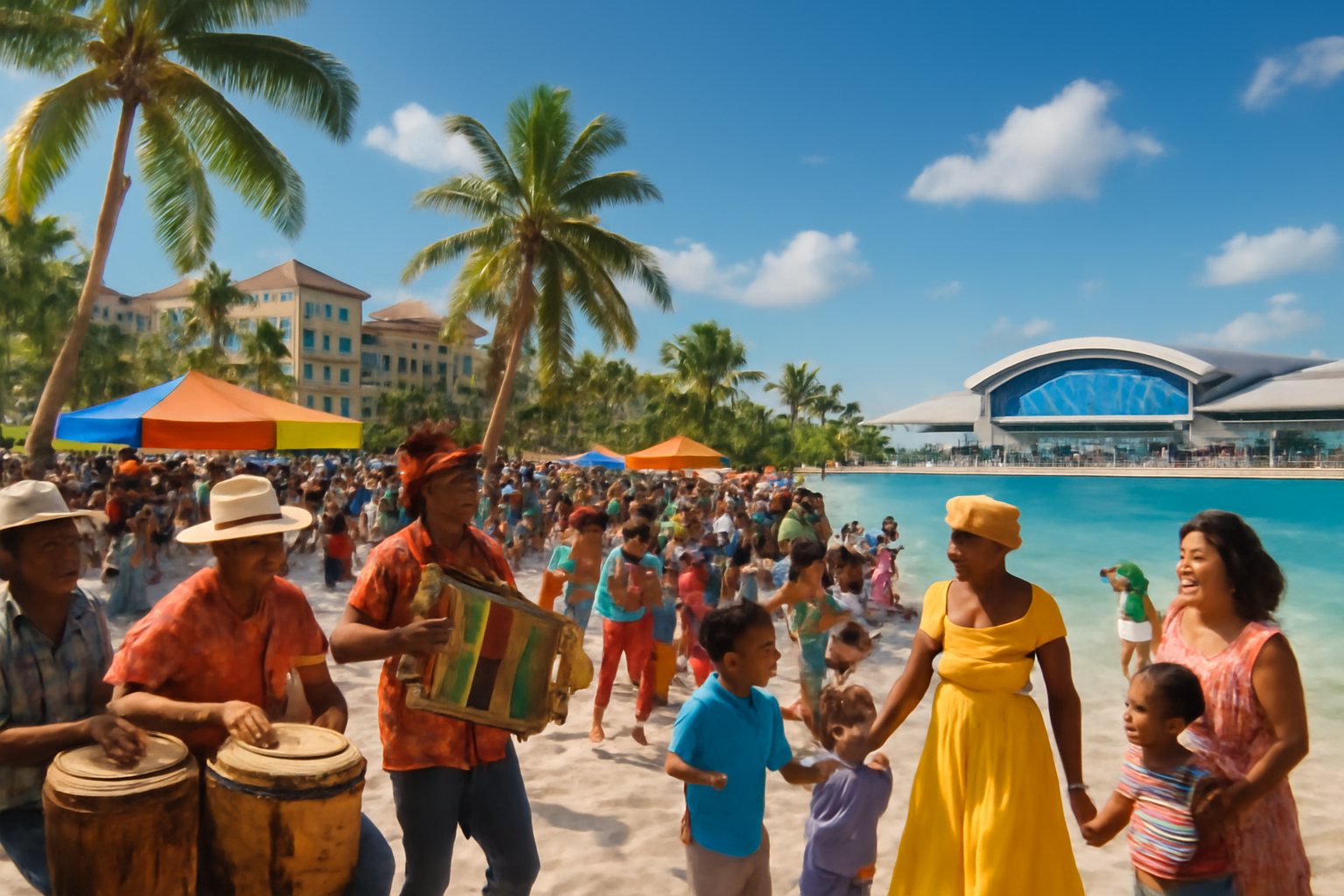
The Dutch Caribbean territory of St. Maarten is leading the charge against a troubling trend that threatens the vitality of small islands across the globe: brain drain. As populations migrate for better opportunities, St. Maarten is introducing a suite of enticing incentives aimed at attracting professionals and students back home. This innovative solution offers cash payments, airfare, and hotel accommodations, effectively creating a welcoming environment for return migration.
Understanding Brain Drain in the Caribbean Context
Brain drain refers to the emigration of educated and skilled individuals from one location to another for better opportunities. In the Caribbean, this phenomenon has increasingly been recognized as a significant hindrance to economic development. Many island nations face increasing challenges in retaining their talent, as skilled workers often seek employment elsewhere, drawn by the allure of higher salaries and improved living conditions.
The statistics are stark; St. Maarten, with a population of roughly 46,000, has a net migration rate of 5.7 migrants per 1,000 persons, placing it among the top regions globally for brain drain challenges. This outflow of talent not only diminishes the workforce but also hampers local economic growth, as fewer professionals remain to contribute to the island's development.
The Economic Impact of Losing Talent
The consequences of brain drain extend far beyond individual families; they reverberate throughout the entire economy. A decline in skilled professionals leads to labor shortages in critical sectors such as healthcare, education, and technology. Businesses may struggle to find qualified employees, resulting in reduced productivity and innovation. The availability of fewer professionals can also inhibit foreign investment, as potential investors seek regions with a competent workforce.
- Healthcare: Decreased number of doctors and nurses can lead to inadequate healthcare services.
- Education: A shortage of qualified teachers impacts the quality of education for students.
- Technology: Fewer IT professionals can stunt technological advancements and adoption.
The national government recognizes the stakes involved in this issue. To tackle the impending brain drain and stimulate local development, St. Maarten has initiated a comprehensive approach, combining incentives aimed at enticing skilled individuals to return.

Incentives for Return Migration: A Comprehensive Overview
In an unprecedented move to attract residents back to the island, St. Maarten's Prime Minister, Luc Mercelina, recently unveiled a series of incentives designed to ease the relocation process for returning professionals and students. The plan aims not only to fill vacant roles but also to enrich the local communities with skilled talent. Here’s what the offering entails:
Married couples are eligible for a relocation allowance of $2,000, while single individuals can expect $1,100, which significantly eases the financial burden of moving. Furthermore, the government provides economy-class airfare to facilitate the return, offering vital support to families looking to transition back to their homeland. The incentive package does not end here; recipients will also receive a six-week stay in a hotel, a chance to settle in without the immediate pressure of securing housing.
Additional Benefits and Support
Families with children receive an additional $140 per child, emphasizing the government's commitment to supporting families through this transition. Understanding that education and employment are critical components for a successful return, authorities also plan to adjust salaries for specific cases and provide assistance in covering a portion of student loans for those who choose to relocate back to St. Maarten.
| Incentive | Amount ($) | Remark |
|---|---|---|
| Relocation Allowance (Married) | 2,000 | To support the return logistics |
| Relocation Allowance (Single) | 1,100 | Eases financial transition |
| Airfare | Economy Class | Facilitates travel back home |
| Hotel Accommodations | 6 Weeks | Initial adjustment period |
| Child Support | 140 per child | Additional family assistance |
These initiatives highlight the proactive stance taken by St. Maarten to combat brain drain effectively. As the country invests in its workforce and aims to bolster its economy, such incentives may serve as an attractive proposal for individuals contemplating a return. But does this move have the potential to reshape the island's future?
The Role of Tourism in Economic Development
Tourism has long been a cornerstone of St. Maarten’s economy, accounting for over 80% of its GDP. As such, the government’s efforts to encourage return migration crucially tie into the broader narrative of sustainable tourism and economic development. With more skilled professionals returning, the island can expand and diversify its tourism offerings, attracting a greater number of international visitors.
This link between return migration and tourism development is evident in various initiatives that promote not only relaxation and leisure but also cultural experiences and environmental stewardship.
Diversifying the Tourism Experience
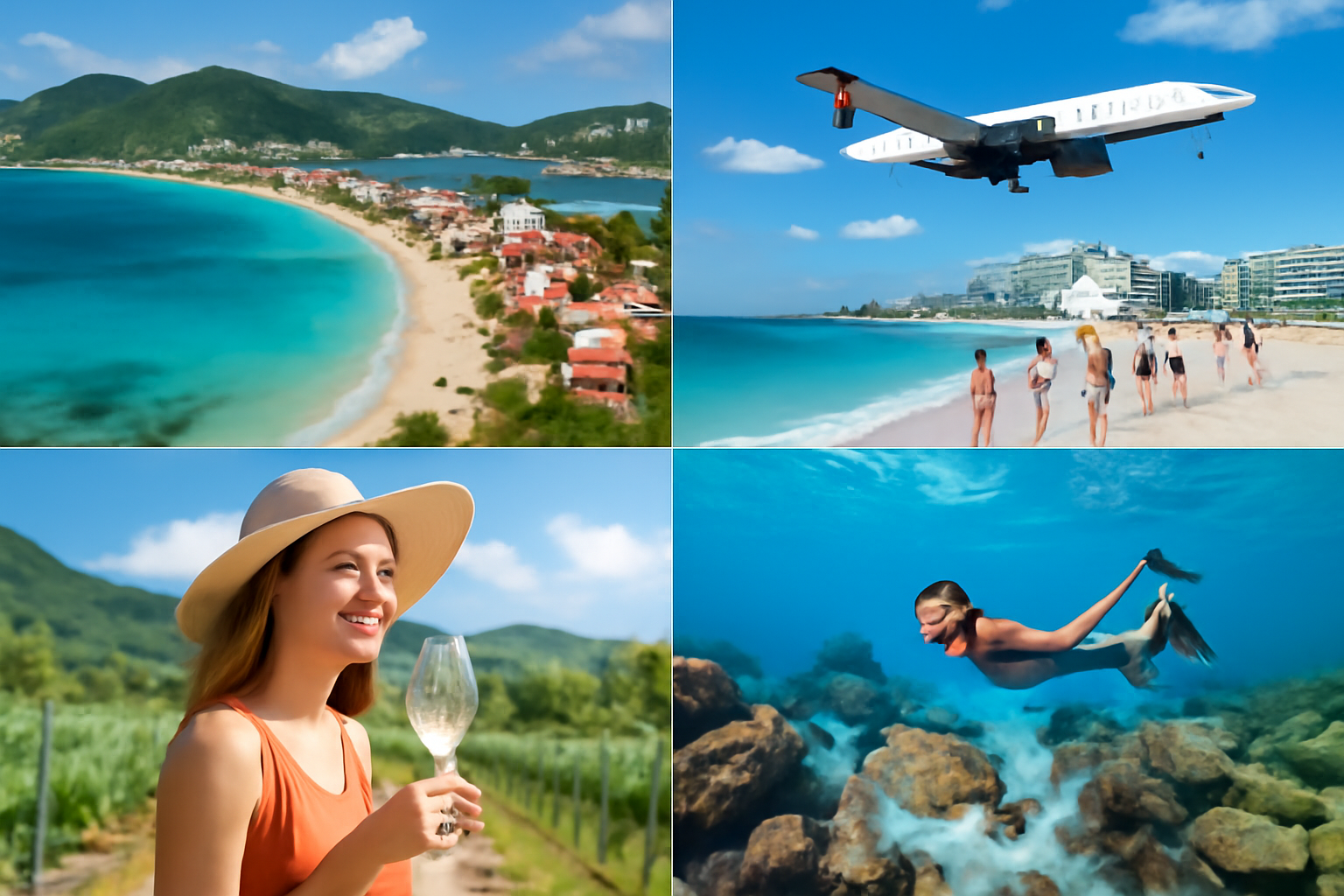
For instance, professionals with skills in hospitality, environmental science, and cultural heritage can create new tourist attractions and improve service offerings. Consider how a returning chef might elevate the culinary scene, or a marine biologist could enhance eco-tourism programs through sustainability practices. Together, these contributions can create a well-rounded tourist experience; highlighting the uniqueness of the Caribbean.
- Ecotourism: Highlighting the natural beauty of forests and underwater ecosystems.
- Cultural tourism: Showcasing local festivals and traditions, attracting cultural enthusiasts.
- Adventure tourism: Surfing, scuba diving, and hiking opportunities can be marketed effectively.
With such variations in the tourism landscape being developed, St. Maarten’s ability to attract tourists and boost the economy stands to benefit greatly from return migration, creating a symbiotic relationship between these two pillars.
Community Engagement and Development Initiatives
To ensure the success of the incentive program, community engagement is imperative. The local population must be onboard with the idea of welcoming back skilled workers to foster a supportive environment. Local governments, organizations, and citizens should work collaboratively to create a vibrant community that esteems the value of returning talent.
Engagement initiatives can range from community forums to support networks that assist new arrivals in acclimatizing to life on the island. These efforts can create a robust framework that facilitates smooth integration for returnees, leveraging their skills while enriching the fabric of St. Maarten.
Empowering Local Initiatives
Local organizations can play a significant role in supporting returning professionals. For instance, mentorship programs may be established, connecting newcomers with established community members who can offer insights and guidance. Additionally, social events can be organized to foster connections between locals and returnees, enhancing social capital.
| Engagement Initiative | Description | Expected Outcomes |
|---|---|---|
| Community Forums | Provide platforms for discussing returnee experiences | Improved understanding and support |
| Mentorship Programs | Connect returnees with local mentors | Facilitate integration and skill development |
| Social Events | Encourage networking between locals and returnees | Build connections and share experiences |
The sustained engagement of the community can be a game-changer for St. Maarten. By proactively nurturing relationships between locals and returnees, the island can cultivate a supportive atmosphere conducive to growth and stability.
Conclusion: A Bright Future for St. Maarten
Through innovative incentives such as cash payments, airfare, and hotel accommodations, St. Maarten is leading a progressive movement against brain drain. These efforts not only aim to attract professionals back to the island but also set the stage for significant economic development and tourism diversification. By fostering a welcoming environment and engaging the community, St. Maarten aims to reverse the trend of brain drain and create a prosperous future for its residents.
The actions taken today will determine the trajectory of St. Maarten’s future, heralding an era of renewed hope and opportunity in this beautiful Caribbean paradise. As new ideas flourish and talented individuals return, the island may very well find itself on the path to long-term growth and sustainability.