Sint Maarten MP Advocates for Right to Self-Determination Amid Colonial Legacy
IN BRIEF |
|
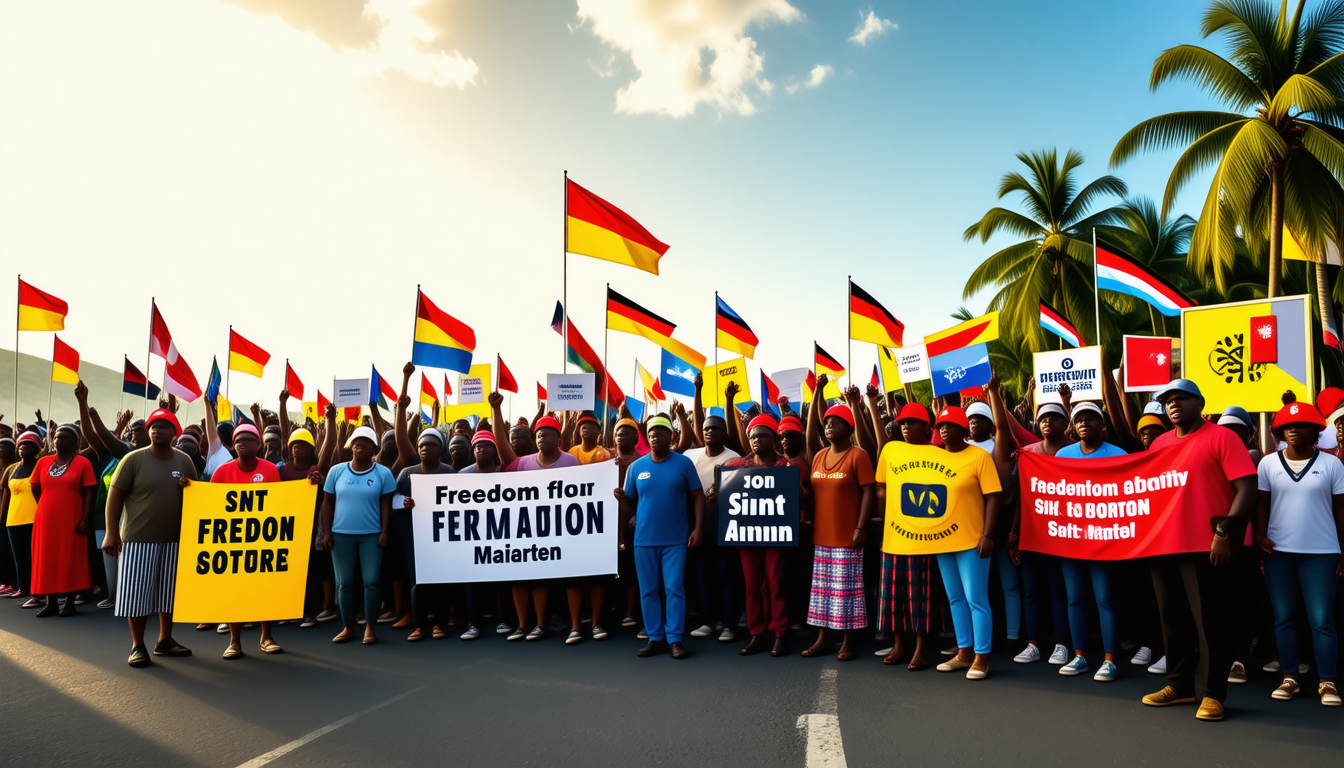
The Parliament of Sint Maarten is at the forefront of a significant movement advocating for the island's right to self-determination. This initiative addresses the persistent challenges posed by the colonial legacy of both French and Dutch rule. By participating in international conferences and discussions, officials such as Franklin Meyers emphasize the vital importance of reclaiming autonomy and ensuring that freedom remains a fundamental right for all citizens. These efforts are part of a broader agenda to eliminate current colonial practices that undermine this inalienable right.
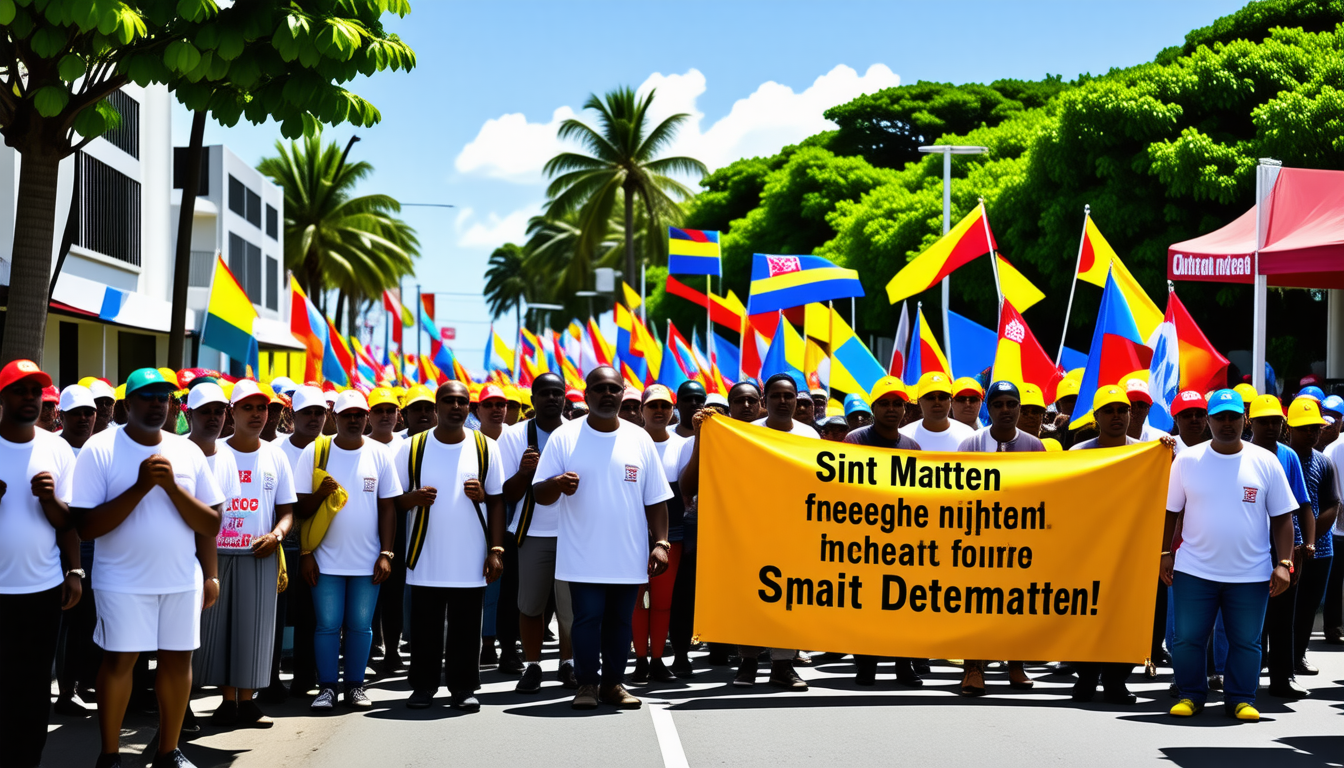
Sint Maarten, entrenched in a complex history of colonialism, is on the forefront of advocating for its right to self-determination. A notable member of the Sint Maarten Parliament, Franklin Meyers, has voiced the island's aspirations at an international conference, highlighting the need to address French and Dutch neo-colonial influences. This action marks a significant shift in the island's political landscape and echoes broader movements toward sovereignty across the Caribbean.
The quest for self-determination in Sint Maarten has gained momentum as Franklin Meyers, a recognized MP, took the stage at a conference in Baku. This conference, organized by the Baku Initiative Group (BIG), addressed the pervasive influences of French and Dutch neo-colonialism on the island. Meyers passionately expressed the island's desire to carve its own path, away from the shadow of its colonial past.
The Historical Context of Colonialism in Sint Maarten
Sint Maarten's history is deeply rooted in colonial dynamics, shaped by both French and Dutch powers. These influences have left lasting effects on its political and social frameworks. While legally allowed self-governance, the island struggles with remnants of colonial practices. A petition highlighting these grievances underscores the need for reform and autonomy, urging accountability from former colonial rulers.
A Step Toward Freedom
At the Baku conference, Meyers emphasized the intrinsic right of the people of Sint Maarten to freedom and self-rule, noting that "freedom is a fundamental right of all people." Such declarations are bolstered by international legal principles, which advocate for non-self-governing territories' entitlement to self-determination. This assertion aligns with global efforts to recognize and rectify historical injustices.
Progress and Challenges in the Push for Autonomy
Despite the determined push for autonomy, challenges remain. The local political atmosphere is fraught with contention, as seen in recent legal battles. While MP Rolando Brison and his Pro Soualiga Decolonization Organization faced setbacks in court, the dialogue around self-determination remains vibrant. Critics argue that historical colonial legacies still hinder progress, leaving the island insulated from larger geo-political discussions.
The Broader Implications for the Caribbean
This call for self-determination is part of a wider Caribbean struggle. According to sources like the Government of Canada, these discussions are pivotal in reshaping regional politics. Advocates call for acknowledgment and rectification of modern-day colonial impacts, striving for reparatory justice throughout Caribbean nations.
Leadership and Vision for Sint Maarten
The island's leadership, under figures like Luc Mercelina, continues to grapple with intricacies of governance. Information on Sint Maarten's government structures, detailed in sources such as Wikipedia, highlights the need for strategic vision and diplomacy. Navigating the post-colonial landscape requires both political will and cohesive national dialogue.
Sint Maarten's Quest for Self-Determination
| Aspect | Details |
| Conference Location | Baku |
| Organizing Group | Baku Initiative Group (BIG) |
| Key Figure | Franklin Meyers |
| Marquee Topic | Neo-Colonialism |
| Focus Area | Caribbean Territories |
| Rights Highlight | Self-Determination |
| Colonial Influence | French and Dutch |
| Decolonization Goal | End Colonial Practices |
| Local Opposition | Pro Soualiga Decolonization Organization |
| Legal Obligation | Promote Self-Government |
- Sint Maarten MP Initiatives:
- Advocates for self-determination
- Highlights colonial legacy effects
- Supports decolonization efforts
- Advocates for self-determination
- Highlights colonial legacy effects
- Supports decolonization efforts
- International Conference Highlights:
- Roots in French and Dutch colonialism
- One island, one people, one destiny
- Importance of fundamental freedom
- Roots in French and Dutch colonialism
- One island, one people, one destiny
- Importance of fundamental freedom
- Advocates for self-determination
- Highlights colonial legacy effects
- Supports decolonization efforts
- Roots in French and Dutch colonialism
- One island, one people, one destiny
- Importance of fundamental freedom