Severe flash flood alert activated for sections of Iberia, St. Martin, and St. Mary parishes
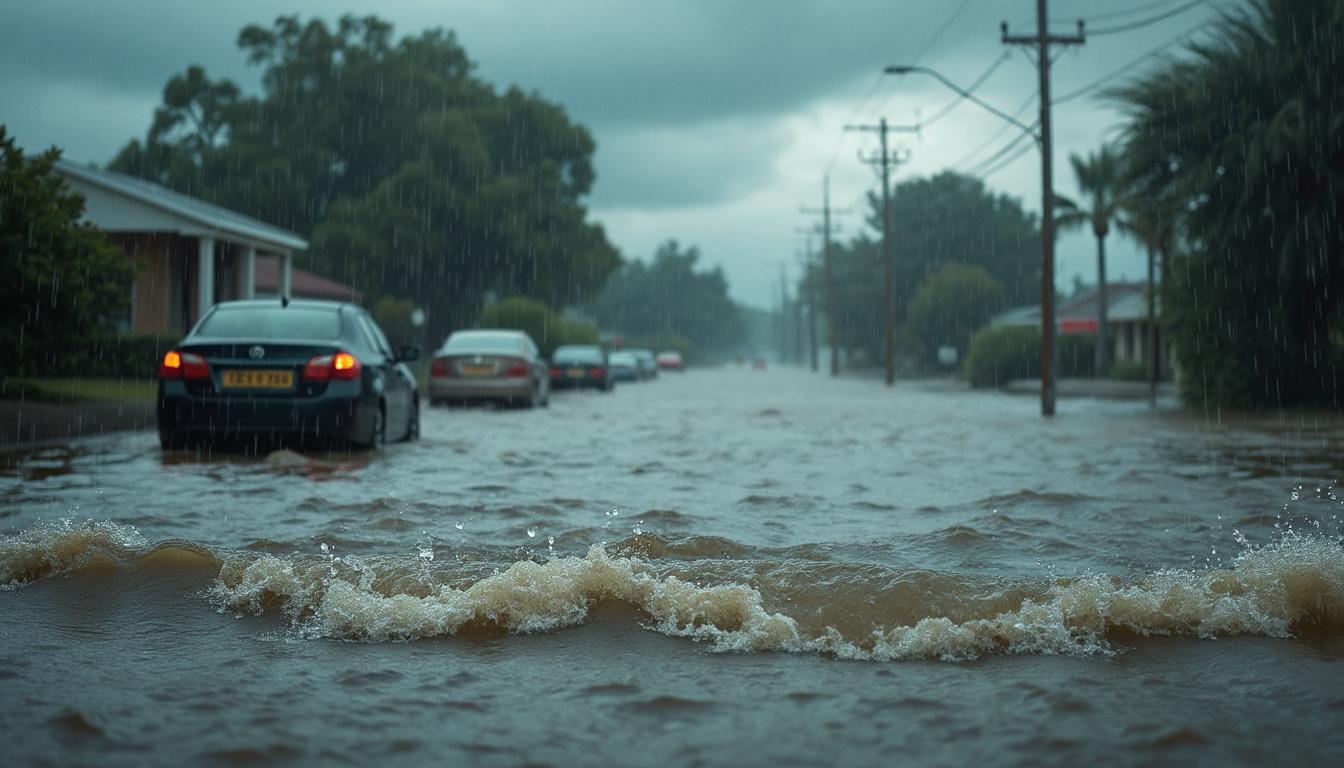
Across the picturesque landscapes of Iberia, St. Martin, and St. Mary parishes, residents find themselves in a precarious situation as a severe flash flood alert has been activated. Heavy rainfall and storms have swept through the region, leading to powerful downpours that have raised the alarming possibility of flash flooding. The National Weather Service, along with local authorities, has made it clear: communities must remain vigilant and prepared to respond to this potentially dangerous weather event. Understanding the dynamics of these severe weather alerts and the implications for local residents is imperative for safety.
Understanding Flash Flood Warnings: Causes and Impacts
Flash floods can transform tranquil streams into raging torrents in a matter of moments, catching many off guard. This sudden inundation is often triggered by intense rainfall over a short period, especially in already saturated areas. In the case of Iberia, St. Martin, and St. Mary parishes, the National Weather Service has identified localized thunderstorms capable of producing between 2 to 9 inches of rain within hours as the primary cause of the recent alert.
The Role of the National Weather Service
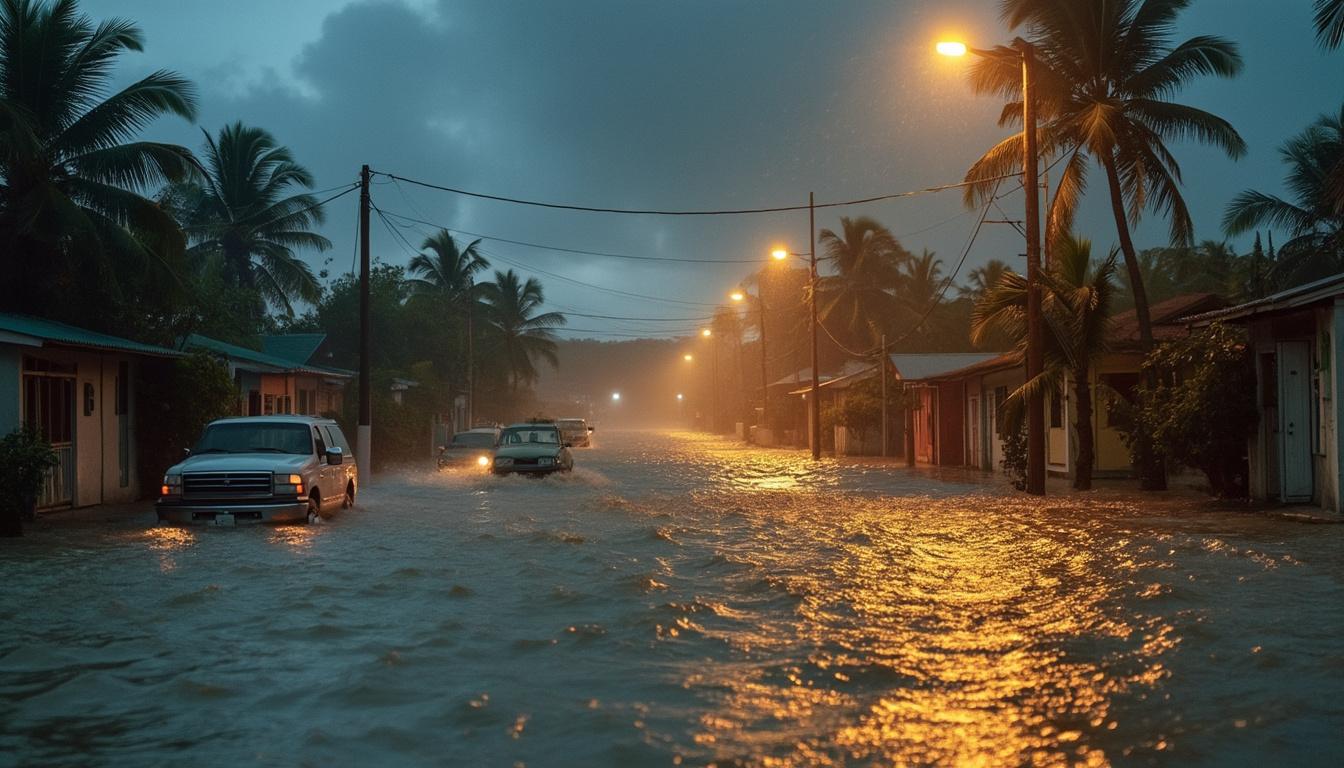
The National Weather Service (NWS) plays a crucial role in monitoring weather conditions and issuing alerts. A flash flood warning is typically issued when there are indications that flooding will occur imminently. These warnings rely on Doppler radar data, as well as local weather observations. During the current alert, the NWS has emphasized the potential for rapid water level rises, urging residents to heed the warnings seriously.
Local news outlets and weather-related channels like The Weather Channel and AccuWeather provide critical updates and forecasts during such emergencies. The integration of social media platforms is now also instrumental in disseminating information quickly, with live updates being shared on channels like Facebook and local news networks.
- Severe thunderstorms causing intense rain.
- High potential for flash flooding in low-lying areas.
- Warnings to avoid driving through flooded streets.
- Real-time alerts through the Emergency Alert System.
Local Impact and Community Preparedness
The effects of these flash floods are not to be underestimated. In previous years, local communities have faced damaging consequences, including lost property, disrupted roads, and stranded individuals. In 2025, residents are advised to revisit their emergency plans and ensure they are prepared for any situation. Local organizations, including the Red Cross and FEMA, have programs designed to assist families during such crises, emphasizing the importance of personal safety and preparedness.
| Flood Impact | Potential Consequences |
|---|---|
| Evacuations | Displacement of families from homes |
| Property Damage | Costs for repairs can be substantial |
| Infrastructure Disruption | Impact on roads and public transportation |
| Emergency Services Demand | Increased need for rescue operations |
Current Weather Conditions and Future Predictions
The ongoing weather event has led to unpredictable conditions characterized by heavy rainfall and thunderstorms. As satellite imagery and Doppler radar reveal, storms have generated significant amounts of precipitation, exacerbating the flood risk. Doppler readings indicate an alarming rate of rainfall, with predictions suggesting that some areas might experience banded rain leading to catastrophic impacts if preventative measures are not adhered to.
Monitoring Sources and Tools for Residents
Residents are encouraged to utilize a variety of platforms for real-time weather updates. In addition to following local news networks, using mobile applications from sources like Weather Underground and StormTracker can provide instant alerts regarding severe weather changes. Engaging with social media feeds from local meteorologists can also serve as valuable resources, enhancing awareness and preparedness.
The activity surrounding the warning has prompted both officials and residents to turn to various resources to remain informed. Communities have adopted modern technology and communication methods to ensure safety, with many individuals subscribing to SMS weather alerts that provide updates directly to their phones.
- Leveraging social media for updates.
- Signing up for SMS text alerts from weather services.
- Engaging with local meteorology professionals online.
- Participating in community meetings focused on emergency preparedness.
Understanding the Risks of Driving in Flooded Conditions
One of the most dangerous decisions residents can make during a flash flood warning is to drive through flooded areas. Even shallow water can sweep vehicles away, putting lives at risk. The phrase "Turn Around, Don't Drown" has become an essential mantra during flood warnings, reminding drivers to heed the warnings and avoid flooded roads.
In 2025, numerous accidents occur every year as a result of individuals attempting to navigate through flooded streets. The best approach is to stay informed, listen to local news, and monitor updates regarding road conditions. Officials recommend reviewing road closures reported by the NWS and local traffic authorities.
| Flood Safety Tips | Best Practices |
|---|---|
| Driving | Never drive through flooded roads. |
| Emergency Kit | Maintain a well-stocked emergency kit at home. |
| Evacuation Plan | Create an evacuation plan for your family. |
| Stay Informed | Regularly check reliable weather sources. |
Community Response and Assistance During Emergencies
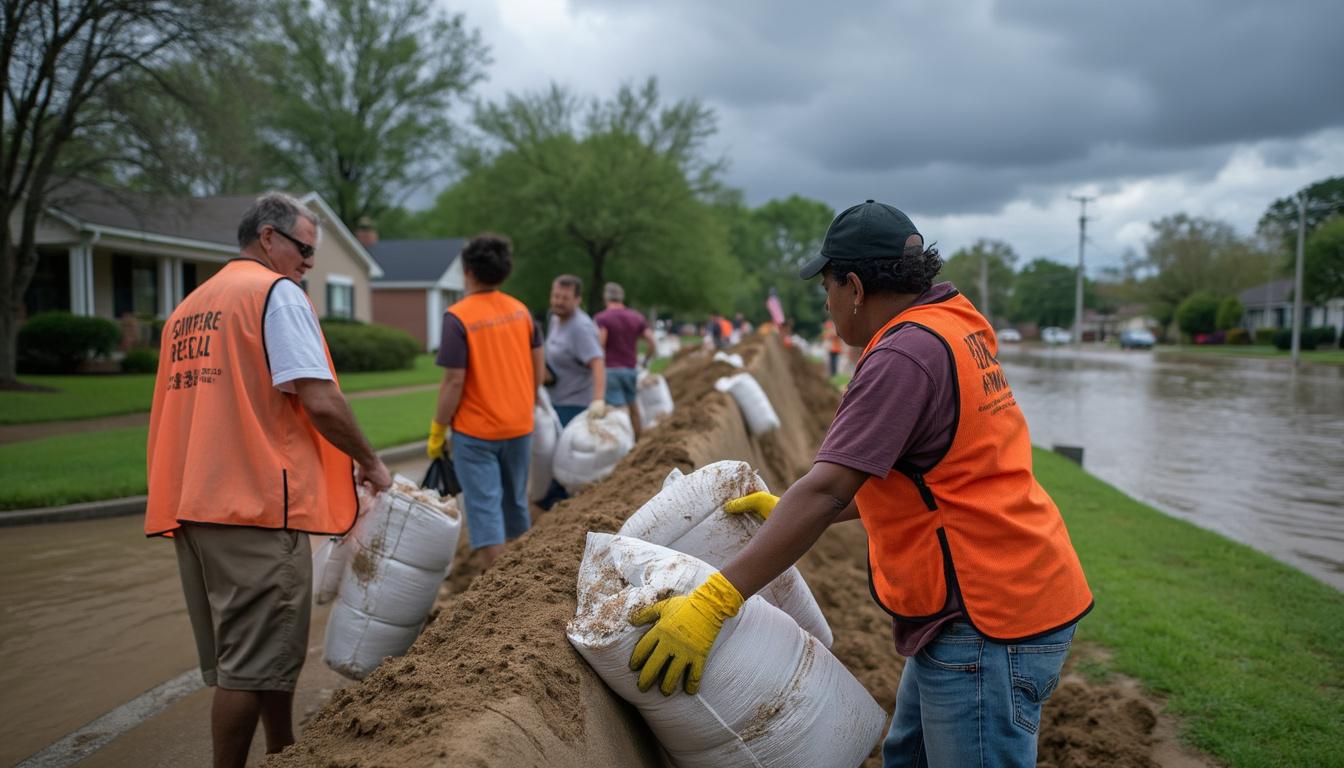
Community response plays a critical role in managing the effects of flash floods. Local authorities are often the first responders in such events, assisting with evacuations and providing shelter for those affected. In light of the recent alert, organizations such as the Red Cross are mobilizing resources and volunteers to aid those in distress. Their efforts contribute greatly to community resilience during emergencies.
The Role of Local Organizations
Many organizations operate within the regions faced with flood threats. These entities ensure resources, such as food, medical aid, and shelter, are available to those impacted by natural disasters. Apart from offering immediate relief, they also focus on long-term recovery efforts.
For example, the partnership between the Red Cross and local governments has led to the establishment of listening posts, allowing residents to report their situations directly and receive timely assistance. FEMA also partners with local organizations to ensure a structured response to emergencies.
- Local shelters established for displaced individuals.
- Community meetings to discuss recovery resources.
- Volunteering opportunities for residents to assist during emergencies.
Preparedness for Future Events
Building resilience in the face of future flooding involves a combination of community action, individual preparedness, and effective communication. As the patterns of climate change lead to increasingly severe weather events, proactive measures are essential. Developing educational programs about flood safety and preparation in schools can also empower young individuals to educate their families.
Having a local government that invests in infrastructure improvements could be another avenue toward reducing flash flooding impacts in vulnerable areas. Continuous efforts toward enhancing drainage systems, restoring wetlands, and floodplain management can create a safer environment for all residents.
| Future Flood Preparedness Strategies | Community Actions |
|---|---|
| Education Programs | Inform residents about flood risks and safety measures. |
| Infrastructure Investment | Enhance drainage systems and floodplain management. |
| Awareness Campaigns | Utilize local networks to disseminate flood safety tips. |
| Emergency Preparedness Drills | Create community drills to practice response plans. |