Prime Minister of Sint Maarten shares insights at the Future Summit
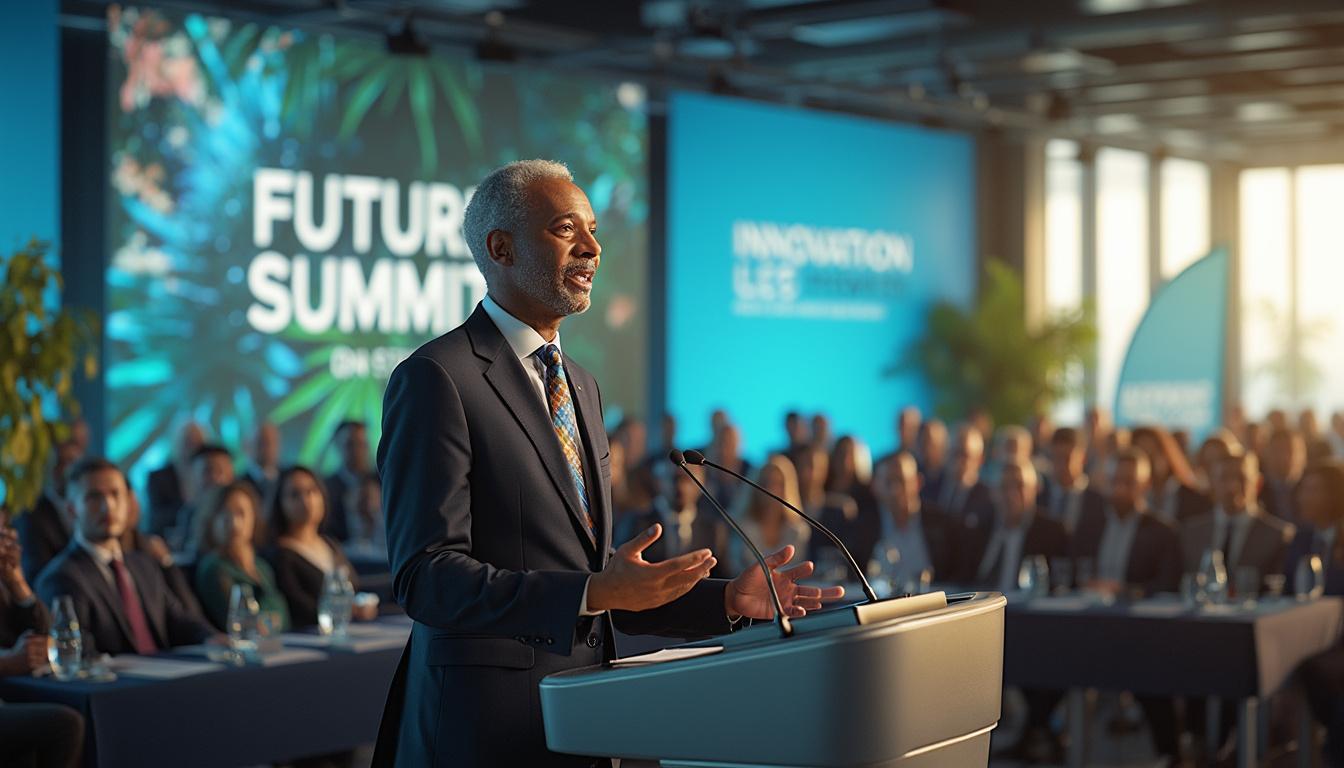
The Future Summit served as a critical platform for world leaders, where innovative ideas and collaborative efforts came to the forefront. Among the distinguished speakers was the Prime Minister of Sint Maarten, Dr. Luc Mercelina, who shared profound insights regarding the challenges and opportunities facing the island. With a focus on sustainability, economic growth, and effective public policy, the Prime Minister's address resonated with the current global call for responsible leadership.
Prime Minister Dr. Luc Mercelina's Commitment to Sint Maarten's Future
In his address, Prime Minister Dr. Luc Mercelina emphasized the importance of sustainable development for Sint Maarten. He outlined the various initiatives being undertaken to ensure that the island thrives, balancing ecological integrity with community needs. This approach is vital, as visible signs of climate change continue to affect the Caribbean region.

Dr. Mercelina presented a series of innovative projects aimed at promoting sustainability. These projects focus not only on environmental preservation but also on enhancing the quality of life for the island's residents. For instance, initiatives targeting renewable energy, waste management, and the conservation of marine biodiversity are set to play a pivotal role in Sint Maarten's future.
- Renewable Energy Initiatives: Exploring solar, wind, and alternative energy solutions.
- Comprehensive Waste Management: Implementing effective recycling and waste reduction strategies.
- Marine Biodiversity Protection: Safeguarding local ecosystems through conservation efforts.
During his presentation, the Prime Minister also highlighted the significant role of community engagement in the success of these initiatives. Empowering residents through education and involvement ensures that environmental policies are sustainable and culturally appropriate. This is an essential component of community development, as grassroots participation fosters ownership and accountability among the island's inhabitants.
Leadership in Action: Guidelines for Effective Public Policy
Dr. Mercelina's leadership style embodies collaborative governance, a principle he advocated passionately during the Future Summit. He provided insights into how inclusive decision-making processes contribute to effective public policy in Sint Maarten. Such policies must take into account the unique characteristics of the island, including its diverse population and rich cultural heritage.
| Key Elements of Effective Public Policy | Description |
|---|---|
| Stakeholder Engagement | Involving community members and organizations in policy formulation. |
| Transparency | Ensuring open communication regarding policy impacts and processes. |
| Accountability | Holding leaders responsible for policy outcomes. |
| Innovation | Encouraging new approaches to solve existing issues effectively. |
The Prime Minister underscored the need for a unified approach to challenges, exemplifying how collaboration among various sectors, from government agencies to private enterprises, can foster innovative solutions that benefit the community. Initiatives such as public-private partnerships are vital in driving economic growth and enhancing overall social welfare. These collaborations can lead to job creation and increased investment, ultimately strengthening Sint Maarten's economy.
Strengthening Economic Growth through Innovation
Innovation is a cornerstone of Sint Maarten's strategy for economic growth, particularly as the island looks to rebound from past adversities. Dr. Mercelina provided several case studies showcasing how innovative practices are being adopted across different sectors. This focus has been crucial in responding to swiftly evolving global markets and environmental challenges.
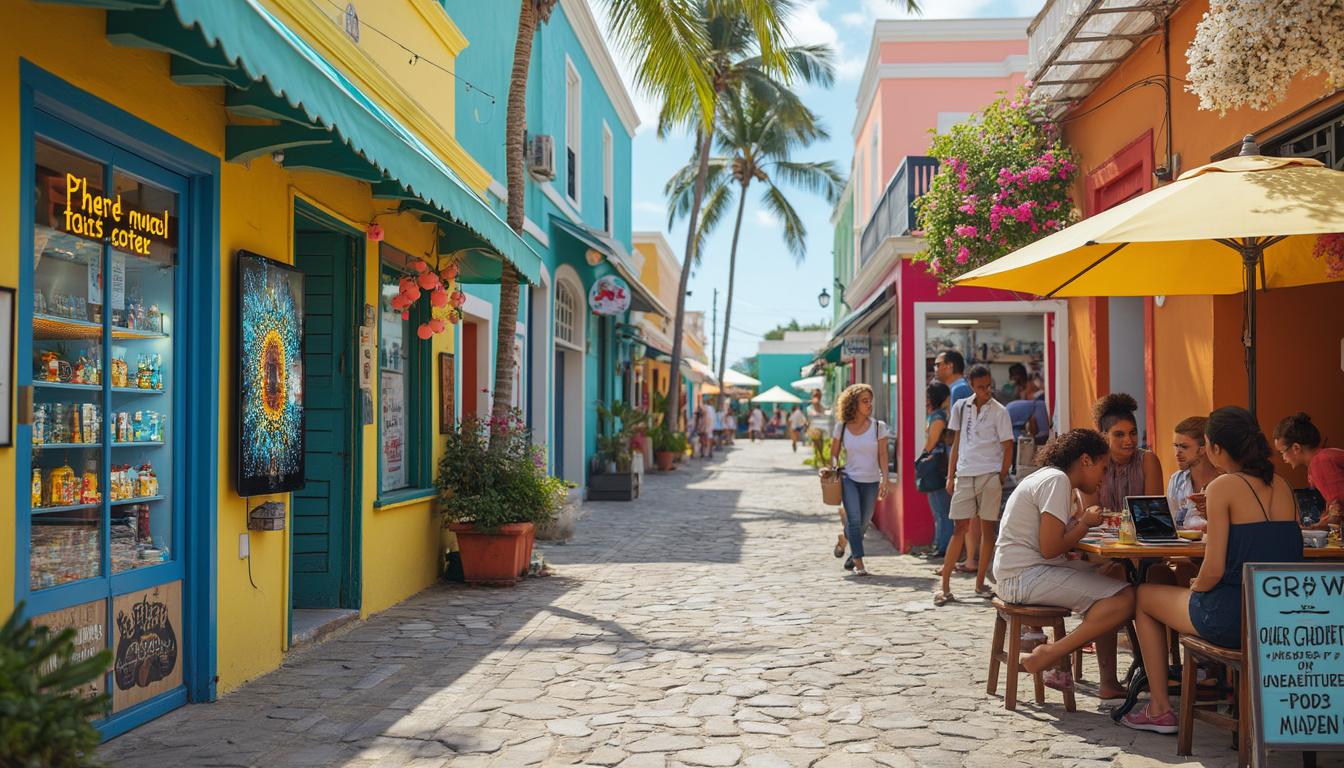
The Prime Minister outlined various support mechanisms provided to local businesses to encourage innovation, which includes the following:
- Grants and Funding: Financial support for startups and established businesses willing to innovate.
- Incubation Programs: Providing resources and mentorship for entrepreneurs.
- Market Access: Facilitating connections between local products and international markets.
Moreover, by prioritizing education and skills development, the government of Sint Maarten aims to cultivate a workforce equipped for modern economic demands. Continued investment in education ensures that the population can adapt to changing job markets, particularly in growing sectors like technology and tourism. In this regard, an integrated approach combining education with vocational training initiatives can boost economic resilience.
| Areas of Focus for Economic Growth | Goals |
|---|---|
| Tourism Enhancement | Attracting more visitors and extending their stay through quality experiences. |
| Real Estate Development | Increasing sustainable housing and improving urban infrastructure. |
| Technology Investment | Utilizing tech innovations to streamline various services. |
Challenges and Strategic Responses
Despite these promising initiatives, Sint Maarten faces numerous challenges, including the effects of climate change, economic instability, and social issues. The Prime Minister acknowledged these difficulties during his speech at the Future Summit, emphasizing that a proactive approach is necessary to mitigate their impacts.
Strategic development plans are currently underway, focusing on resilience and adaptability. For example, strengthening infrastructure to withstand natural disasters and investing in green technologies can significantly enhance the island's preparedness for future challenges.
Community Development: Building a Stronger Future
Community development stands as a pivotal aspect of Sint Maarten’s overall strategy for growth and progress. Dr. Mercelina highlighted various programs aimed at fostering community engagement, enhancing social cohesion, and improving the overall quality of life for residents. The Future Summit provided an opportunity to showcase these initiatives on a global stage.
Key initiatives emphasized by the Prime Minister include:
- Education and Youth Programs: Investing in the younger generation through educational reforms and extracurricular activities.
- Healthcare Improvement: Enhancing local healthcare facilities and access to services.
- Cultural Preservation: Promoting local culture and heritage through arts and community events.
By actively engaging the community in decision-making processes, the government fosters a sense of ownership, leading to amplified effectiveness of public services. This participatory governance model is essential for driving long-term change in Sint Maarten as it ensures that the voices of all community members are heard and valued.
| Community Development Programs | Impact Goals |
|---|---|
| Youth Empowerment | Providing meaningful opportunities for youth engagement and skill development. |
| Health Education | Raising awareness on health issues and promoting healthy lifestyles. |
| Local Arts Initiatives | Enhancing cultural appreciation and community pride. |
Through the Prime Minister's effective leadership, Sint Maarten is on a trajectory towards a brighter, more sustainable future, backed by solid public policy and innovative community engagement strategies. By embracing a collaborative and adaptable approach, Sint Maarten seeks not only to thrive but to serve as a model for other island nations facing similar challenges.
Embracing a New Era of Leadership and Innovation
As the Future Summit came to a close, the principles of innovation, sustainability, and collaboration reverberated loudly. Dr. Mercelina's address encapsulated a vision for Sint Maarten that embraces these very principles. The commitment to inclusive development and the recognition of local needs and strengths is a powerful message for both local residents and the global community.
The Prime Minister's insights illustrated that leadership in today's world requires not only vision but a dedication to actionable change. To realize a sustainable future, ongoing dialogue and partnerships among governments, civil societies, and private sectors are essential. This collaborative spirit is vital for addressing the challenges of today while ensuring a legacy for future generations.