Passengers Share Experiences of WestJet Flight's 'Hard Landing' in Sint Maarten

On a warm afternoon at the Sint Maarten Airport, passengers aboard WestJet Flight 2276 experienced an unexpected turn of events that would mark their journey in a dramatic fashion. Arriving from Toronto, this flight was set to transport its crew and numerous vacationers to the picturesque Caribbean. Instead, the plane encountered a serious incident during its landing, igniting immediate concern and curiosity about the operations of air travel. Reports flooded in regarding the hard landing, which raised questions not only about safety protocols but also the overall experience of travelers caught in such extraordinary circumstances.
What Happened During the Landing of WestJet Flight 2276?
On September 7, 2025, the WestJet Boeing 737-800 approached Princess Juliana International Airport (SXM) under seemingly normal conditions. However, as the plane descended, events took a concerning turn. The aircraft suffered a catastrophic failure of its right main landing gear. Upon touchdown on Runway 10, the right wing and engine made contact with the tarmac prematurely, causing the plane to skid. This moment led to a tense situation where passengers and crew members had to act quickly, relying on their training and the emergency protocols in place.
Witness accounts describe a mix of surprise and urgency when the hard landing occurred. Passengers reported hearing a loud thud, followed quickly by the sensation of the aircraft sliding along the runway. Emergency services were put on high alert, ever aware of the potential risks associated with such incidents.
Nonetheless, what lies behind such an event? Mechanical failures in aviation can stem from numerous causes, including wear and tear, maintenance oversights, or technical deficiencies that may go unnoticed until a crisis arises. This incident is currently under investigation by the Transportation Safety Board, which aims to decipher the factors contributing to the landing gear failure. Between examining the plane's maintenance history and talking to the crew, it hopes to unveil deeper insights into how similar incidents can be avoided in the future.
Passenger Experiences and Reactions
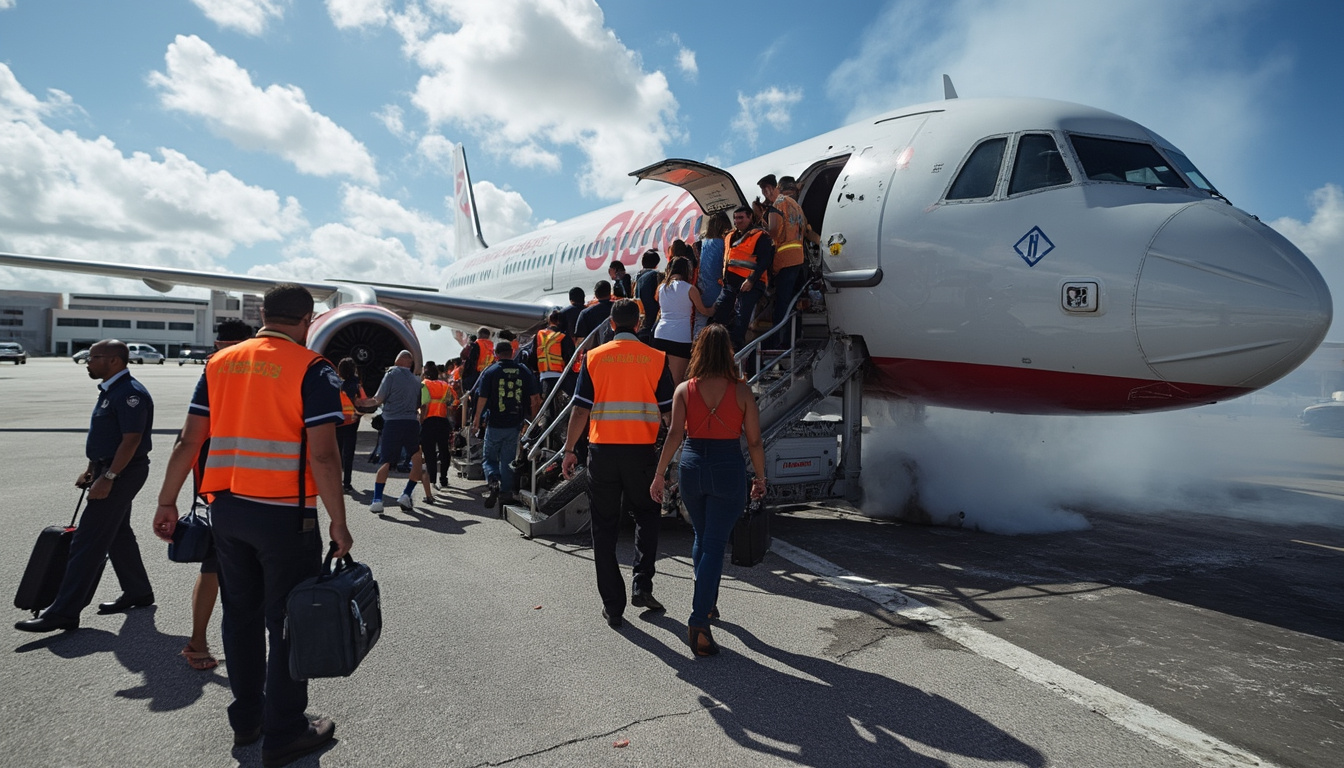
The immediate aftermath of the landing was a scene filled with confusion yet relief. Passengers, primarily vacationers eager to soak in the sun and enjoy the beauty of Sint Maarten, felt a whirlwind of emotions. Many reported the incident with a mixture of disbelief and excitement—an unusual story to tell for those looking forward to a Caribbean getaway. As they evacuated the aircraft using emergency slides, excitement transitioned into discussions about safety and the reliability of air travel.
The diversity of reactions among those aboard was noteworthy. Some travelers expressed gratitude for the professionalism displayed by the flight crew. Their quick response and adherence to safety protocols allowed for a successful evacuation without injuries. Yet, others couldn't shake the sense of fear or anxiety instilled by the sheer adrenaline of the experience. For many, the glamorous notion of flying to a tropical paradise quickly turned into a vivid reminder of the unpredictable nature of air travel.
- Increased Awareness: Passengers who previously felt secure in the reliability of their chosen airline now questioned their trust in such systems.
- Thankfulness to Crew: Many expressed gratitude towards the crew's composed demeanor, recognizing their role in ensuring a safe evacuation.
- Curiosity about Safety: Discussions centered around the need for better safety measures and prevention strategies for future flights.
Stories shared among passengers on social media became a blend of humor and caution. Initial posts ranged from light-hearted jokes about bad landings to serious concerns addressed directly to airline representatives and regulatory bodies. Platforms such as FlightAware and CBC News covered the incident extensively, with many taking to Twitter and Instagram to voice their experiences. Passengers eagerly awaited updates, highlighting the role of social media in shaping perceptions regarding the incident.
The Role of Emergency Services in Aviation Incidents
When reports of a hard landing arise, the efficiency and preparedness of Emergency Services come under the spotlight. In this instance, first responders were quickly on scene, ready to assist passengers and evaluate the situation. Emergency protocols in aviation are designed to address various scenarios, ensuring passenger safety is always a priority. Training for such situations involves ongoing drills tailored to mimic several potential emergencies, from evacuation procedures to crisis communication strategies.
Emergency services’ role is critical not only in managing the immediate aftermath of an incident but also in bringing calm to a chaotic situation. Their quick arrival and readiness allowed for a smooth evacuation, alleviating panic and allowing passengers and crew to gather their thoughts and belongings, even if only momentarily. Essential to their response are several key components:
- Preparedness Training: Regular drills and updates to procedures ensure quick and effective responses during any incident.
- Coordination with Airlines: Close cooperation with airline personnel facilitates a unified response focused on passenger safety.
- Post-Incident Support: Psychological support services ensure passengers and crew have access to the necessary resources for recovery.
The effectiveness of emergency response teams can often fade into the background when passengers reflect on their travel experience. However, the commitment to preparedness speaks volumes about the care taken to ensure safety during air travel. The September incident highlights ongoing discussions surrounding emergency protocols and the importance of transparency in aviation safety practices.
Investigating the Aftermath of the Incident
Following the incident involving WestJet's plane, investigations kicked into gear, not just from a regulatory standpoint but also internally within the airline itself. In an age where consumer safety and assurance take precedence, travel companies face significant pressure to address incidents transparently.
Airlines like WestJet must navigate complex regulatory environments that prioritize passenger welfare. The investigation will analyze several factors, including weather conditions at the time, mechanical assessments of the Boeing 737-800, and adherence to standard operating procedures. Airlines depend heavily on black box data, crew testimonials, and maintenance logs to paint a full picture of what went awry.
Aspects taken into consideration will include:
- Weather Conditions: Examination of real-time data from FlightAware will provide insights into any weather challenges encountered during approach.
- Technical Checklists: Review of performance checks and routines conducted prior to takeoff will help determine compliance.
- Historical Data: Looking at previous incidents or mechanical failures reported on the specific aircraft model will add context to the analyses.
The final report will likely be multi-faceted, offering a comprehensive view of what happened on that fateful day. The outcome will be pivotal moving forward, potentially leading to changes in safety regulations across the aviation industry. All eyes are on the Transportation Safety Board, as findings will certainly resonate within the community and, importantly, among frequent flyers around the world.
A Broader Context: Airline Safety and Passenger Confidence
Air travel safety remains one of the most critical concerns for travelers worldwide. Events like the hard landing of WestJet Flight 2276 can initially shake passenger confidence and highlight industry vulnerabilities. However, they can also serve as catalysts for change. The swift response from emergency services and the dedicated investigations process can bolster overall safety and instill consumer trust in air travel.
Travelers continuously assess the safety reputation of carriers such as WestJet, Air Canada, and Delta Air Lines. Enhanced safety measures, transparent communication about incidents, and the willingness to embrace improvements contribute significantly to rebuilding trust. This reinforces the sentiment that every airline must prioritize its commitment to aviation safety that echoes through consumer perception.
How Passengers Can Prepare for Unexpected Situations
When faced with unexpected situations during air travel, there are important preparations passengers can adopt to help mitigate stress and remain composed. While no one hopes for turbulence, understanding how to navigate unpredictability can make a difference. Here are some strategies for future travelers to consider:
- Stay Informed: Monitor updates via airline apps or trusted travel news sources to receive real-time information about flight status.
- Know Your Emergency Exits: Familiarize yourself with the location of emergency exits and procedures outlined during safety briefings.
- Packing Essentials: Have key items accessible, such as medication, travel documents, and a phone for potential use during emergencies.
- Maintain Communication: Keeping loved ones informed about your travel schedule can ease anxiety in the event of unexpected delays.
- Stay Calm: Practice relaxation techniques or breathing exercises; staying calm can help others around you remain composed too.
While air travel is, statistically, one of the safest modes of transportation, incidents can occur without warning. Future preparation, passenger awareness, and robust communication channels can significantly reduce anxiety during such occasions. As a community, the airline industry, regulators, and travelers all share in committing to ensuring that flying continues to be a safe and reliable means of transportation.