Hasina makes shocking claim: Yunus is allegedly compromising Bangladesh's sovereignty for the US

The recent political landscape in Bangladesh is anything but stable, highlighted by the dramatic accusations leveled by former Prime Minister Sheikh Hasina against the current interim government chief, Muhammad Yunus. In a bold statement that has reverberated through the nation's political corridors, Hasina charged Yunus with compromising Bangladesh's sovereignty for the interests of the United States. This claim, underscored by a rich historical backdrop involving her family's legacy, raises significant questions about the future of Bangladesh's governance and international relations.
Sheikh Hasina's Fierce Allegations Against Muhammad Yunus
During a recent address, Sheikh Hasina unleashed a barrage of accusations against Yunus, asserting that he has effectively "sold off" Bangladesh to foreign interests, particularly the US. This assertion, albeit severe, is not entirely unexpected given the tumultuous political dynamics that have played out in the country since Hasina's departure from power.
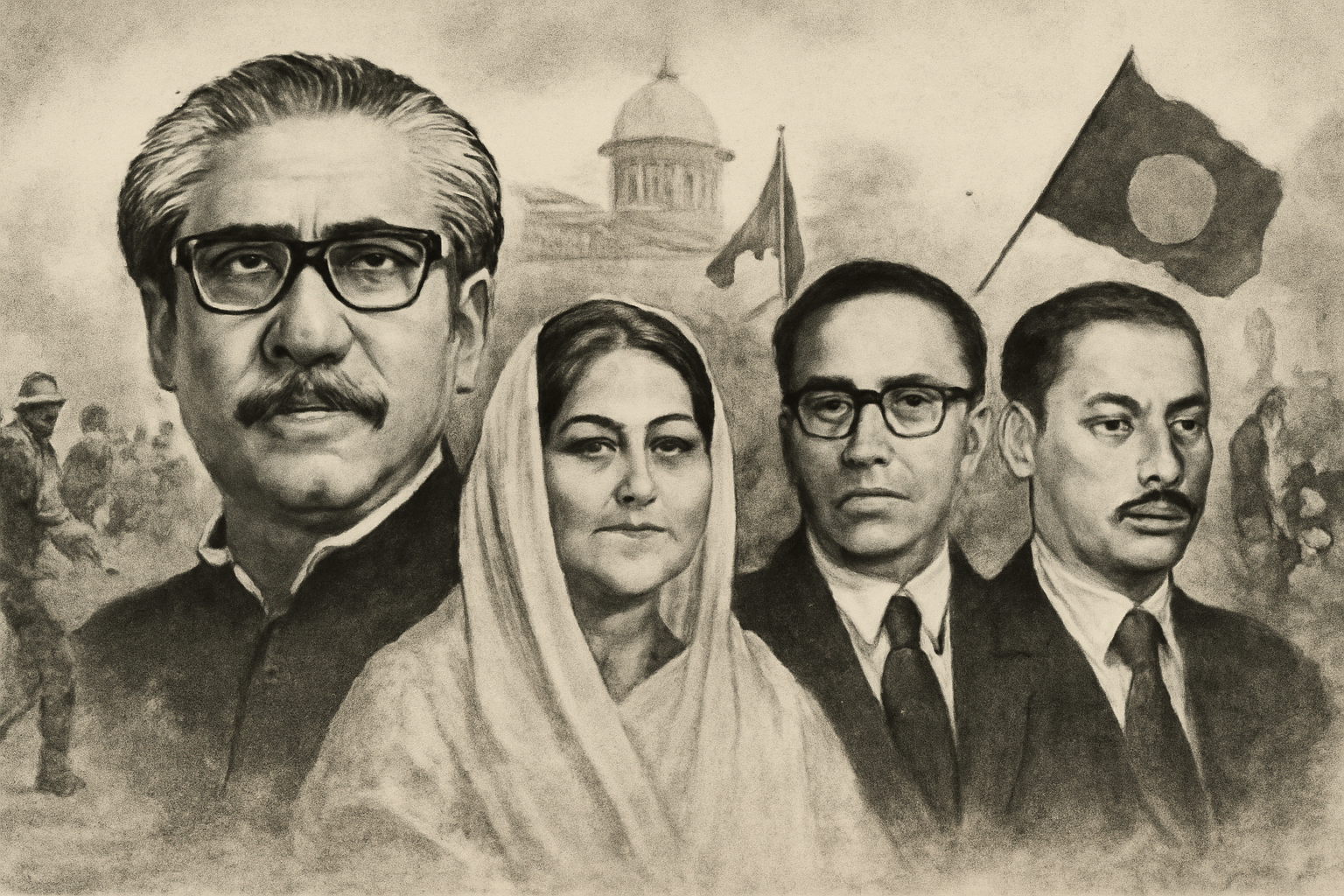
In her statements, Hasina highlighted crucial historical events, invoking her father Sheikh Mujibur Rahman's legacy. She recalled a pivotal moment when her father refused to surrender St. Martin's Island to American interests, marking a profound moment in Bangladesh's struggle for sovereignty. According to Hasina, Yunus's approach mirrors the actions of those who sought to undermine Bangladesh’s integrity. Her reflections were filled with a sense of urgency and a call to action for the people of Bangladesh.
This accusation is compounded by her claims that Yunus has partnered with militant groups to secure his position. She stated, “He has seized power with the help of terrorists," drawing attention to the alleged involvement of banned militant outfits in political affairs. In a country that has fought hard against extremism, these allegations carry profound implications for national security and governance.
The Background of the Political Crisis
The accusations have surfaced amid growing tensions between Yunus and various elements within the Bangladeshi military and political establishment, including Army Chief Waker-uz-Zaman, who has publicly urged Yunus to hold elections by December. This call for electoral action highlights the deepening divide in the country's leadership and concerns about the potential for power consolidation within Yunus's regime.
Hasina's criticisms also encompass broader themes of constitutional legitimacy. She vehemently decried the ban on her party, the Awami League, arguing that it is devoid of constitutional legitimacy. A point of contention rests on the claimed lack of public mandate for Yunus's current role, as he governs without a parliamentary framework in place.
- Yunus accused of "selling off" Bangladesh to the US
- Claims of seizing power with militant support
- Calls for elections by Army Chief Waker-uz-Zaman
- Constitutional legitimacy questioned by Hasina
Civilians and Human Rights Implications
The ramifications of this political critique extend significantly into the realm of human rights and civil liberties within Bangladesh. Hasina has persistently argued that Yunus's administration has created an environment of fear and unrest; she argues that his regime enables mob violence and unlawfully targets members of the Awami League and the press. These sentiments reflect a growing anxiety regarding civil liberties as the political environment destabilizes.
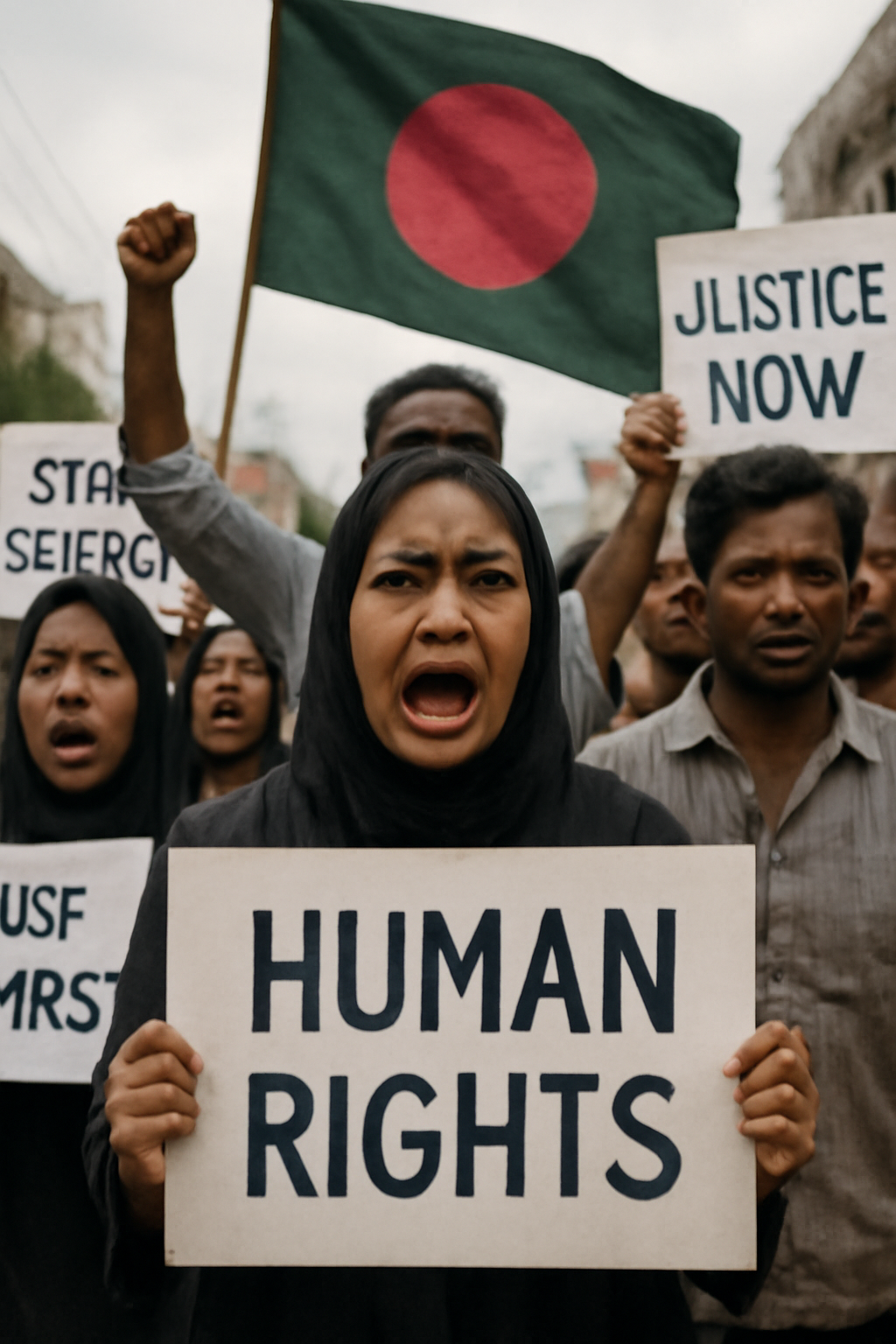
As allegations of human rights violations surface, the international community's interest in Bangladesh intensifies. The reports of targeted aggression against journalists, legal professionals, and political opponents draw parallels to darker episodes in the nation’s history, inviting further scrutiny of the government's accountability.
The situation is further exacerbated by Yunus's alleged facilitation of radical forces by releasing convicted criminals back into society. This act not only threatens the safety of ordinary citizens but also signals a broader trend of insecurity that could spiral out of control. As Hasina points out, public sentiment has become a matter of urgency as many Bangladeshis question the leadership's ability to maintain order and security.
- Increased violence against minorities and political opponents
- Systematic targeting of journalists and civil society leaders
- Releasing of convicted terrorists into society
- Public outcry for electoral reform and human rights protections
International Relations and Bangladesh's Sovereignty
At the heart of Hasina's remarks lies an intricate web of international relations that fundamentally affects Bangladesh's sovereignty. The tension between local governance and foreign influence has resurfaced as a major point of contention. Hasina’s accusation that Yunus is compromising national interests for US relations brings to the fore the ongoing complexities that characterize Bangladesh's position in the global arena.
| Aspect | Bangladesh's Position | Impact of Yunus's Leadership |
|---|---|---|
| National Security | Striving for stability | Increased risk due to militant partnership |
| International Relations | Balancing foreign partnerships | Perceived subservience to US |
| Human Rights | Advocacy for democratic principles | Erosion of civil liberties |
| Public Sentiment | Demanding accountability | Growth of dissent against leadership |
This complex interplay illustrates the precarious nature of Bangladesh's sovereignty as it grapples with the pressing need for competent governance while navigating the expectations of international stakeholders such as the US. The implications of Yunus's actions on foreign policy must be examined as they may redefine not only Bangladesh's role within regional politics but also its global relations.
The Political Landscape Moving Forward
As the tensions mount between Hasina's party and Yunus's administration, one cannot help but ponder the future trajectory of Bangladesh's political landscape. With calls for elections and a push for accountability, the upcoming months promise to be decisive.
The allegations of compromised sovereignty and political legitimacy are interwoven with the pressing needs of a populace that is demanding change. The road ahead will require careful navigation through the complexities of public sentiment, human rights advocacy, and governance reform that aims to restore democratic principles.

Furthermore, the political chess game is poised to unfold, as various factions within Bangladesh's political landscape mobilize. The presence of civil society and pressure groups advocating for democratic freedoms and stability must not be overlooked as they play a significant role in shaping the future.
- Calls for immediate elections
- Human rights organizations monitoring the situation
- Potential for unrest as public sentiment shifts
- International scrutiny of governance and civil liberties
This current contention between key figures in Bangladesh illustrates the fragility of governance amidst internal strife. Ultimately, only time will reveal whether stability will be restored in this politically charged environment.