Flight to Sint Maarten: WestJet Passenger Seeks Clarity After Harrowing Hard Landing Experience

In a shocking event that unfolded over the skies of the Caribbean, passengers aboard WestJet flight WS2276 experienced a harrowing ordeal upon landing at Princess Juliana International Airport in Sint Maarten. The incident, characterized as a "hard landing," has raised numerous questions among the affected travelers, particularly one individual from Bolton, Ontario, who expressed his deep concern regarding their experience. With the aviation industry constantly adapting and seeking further safety measures, such circumstances remind us that even within the marvel of modern air travel, risks can manifest in unexpected ways.
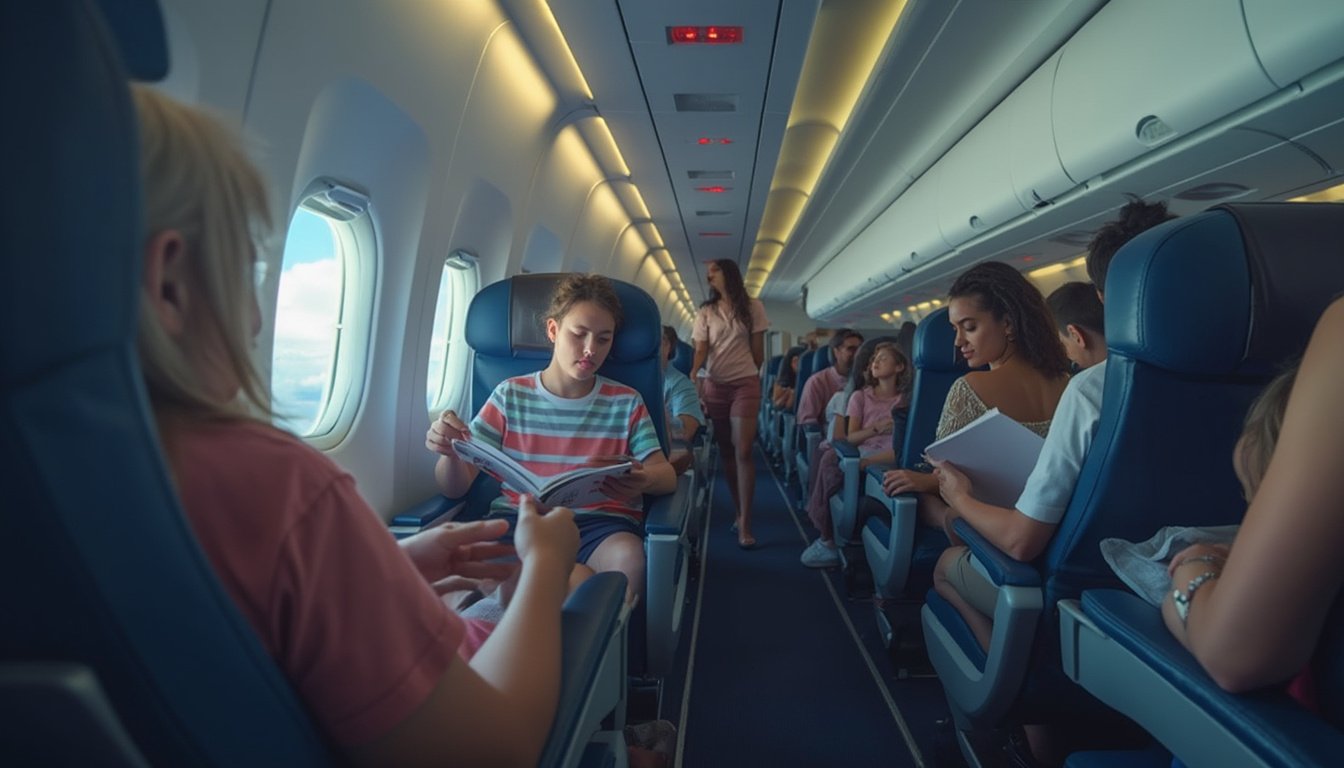
Details of the Landing Incident Involving WestJet Flight WS2276
The flight from Toronto to Sint Maarten encountered problems as it approached its destination. It was around 1 p.m. ET when the aircraft, a Boeing 737-800, seemingly lost altitude control while descending towards the runway, resulting in a landing that caught many passengers off guard. Reports indicate that there were no physical injuries among the 164 passengers; however, the emotional toll was significant as many felt they were merely moments away from potential disaster. Dave Beddows, one of the passengers, described the situation as unsettling and traumatic, stating, “We almost lost our lives.”
In aviation terms, a "hard landing" usually refers to an unexpected or abrupt landing, which can occur due to a variety of factors including pilot error, mechanical failure, or adverse weather conditions. Designers and pilots work diligently to understand these dynamics to minimize risks. In the case of WS2276, passengers observed the plane sway unnervingly back and forth during its rapid descent. With an overall feeling of unpredictability, the safety announcements that typically accompany landing were notably absent, leaving many in shock as the aircraft hit the tarmac with force.
Passengers were later informed to remain seated as emergency procedures kicked into action. Emergency slides were deployed, assisting the safe evacuation of all aboard. The subsequent deployment of safety foam by fire crews was an effort to ensure no smoky traces remained, but initial perceptions suggested that there had been a significant complication due to the landing gear collapsing as they touched down, further underscoring the urgency of the situation that had unfolded.
- Flight Details: WestJet WS2276 from Toronto
- Aircraft Model: Boeing 737-800
- Arrival Location: Princess Juliana International Airport, St. Maarten
- Passenger Count: 164
- Incident Timing: 1 p.m. ET
A Review of Passenger Reactions and Experiences
Aside from Beddows, numerous other passengers echoed sentiments of fear and confusion during and after the landing incident. Specific narratives have emerged illustrating how the unexpected hard landing impacted their emotional state. Many travelers, familiar with the ascent and descent routines of commercial flying, noted that the abruptness of the situation felt outside the realm of ordinary experiences. The cascading emotions extended beyond just fear, as some voiced frustrations regarding how communication unfolded in the moments following the landing.
For instance, Beddows and his wife, seated in the fourth row, sensed the rapid descent before any communication regarding the state of the aircraft. This lack of information compounded their anxiety, leaving them to brace for what they presumed could be a crash landing. Such experiences raise critical inquiries regarding how airlines can enhance communication strategies, particularly during emergencies to better support passengers during high-stress situations.
As grim as the incident was, passengers were eventually evacuated safely. However, many were left without their luggage for an extended period. In the chaotic aftermath, concerns regarding crucial items such as medication emerged. Prolonged stay at the airport meant that days of travel planning were thrown into disarray, further highlighting the need for improved passenger support in such unforeseen events.
Towards Safety: WestJet's Response and Future Implications
In response to the incident, WestJet acknowledged the turbulence experienced by their passengers during this unsettling event. An email from the airline recognized the emotional distress endured throughout the experience but refrained from stating the specific cause of the hard landing. This has left many passengers, including Beddows, demanding accountability and clarity from the airline regarding safety protocols and incident investigations. An emotional reassurance is essential, especially when it comes to travel-critical information.
Furthermore, the Transportation Safety Board of Canada (TSB) has expressed its intention to investigate the circumstances surrounding the incident. Their aim will be to gather relevant data and assess what factors contributed to the hard landing. This investigative process is vital not only for passengers who were on board but also for the airline industry as a whole, as it will likely lead to new suggestions and procedures aimed at improving aviation safety standards across both WestJet and competitors such as Air Canada, American Airlines, and Delta Air Lines.
The need for comprehensive incident reviews can have far-reaching effects on airline practices. Lessons learned from crisis situations inform best practices in passenger handling, aircraft operation, and maintenance protocols, positively influencing safety measures in future operations. Airlines like JetBlue and United Airlines, for instance, regularly assess their safety records, demonstrating that iterative learning frameworks can yield an overall safer flying experience.
- WestJet's Immediate Actions:
- Emphasized passenger safety during evacuation.
- Sent communications acknowledging the emotional impact of the incident.
- Commenced cooperation with TSB investigation.
- Emphasized passenger safety during evacuation.
- Sent communications acknowledging the emotional impact of the incident.
- Commenced cooperation with TSB investigation.
- Impact on Industry:
- Possible updates to landing protocols.
- Enhanced safety briefings regarding emergencies.
- Adjustments in passenger communication during landings.
- Possible updates to landing protocols.
- Enhanced safety briefings regarding emergencies.
- Adjustments in passenger communication during landings.
Challenges in Communication: Essential for Passenger Trust
One pivotal element that became evident during the WestJet flight experience is the overarching importance of communication between airline crew and passengers, especially during distressing moments. Transparency can serve to mitigate anxiety—without it, passengers may feel isolated and in danger. The aviation community is investing in various means to enhance communication technology, which is becoming increasingly vital in ensuring passenger comfort and safety.
Future enhancements could focus on creating more robust in-flight communication protocols that relay important real-time information during emergencies. Airlines’ approaches to mishaps can significantly affect how passengers perceive safety during air travel. Ongoing workshops and training for airline personnel regarding crisis communications are tags that directly address this sensitive topic as they work toward establishing greater passenger rapport.

The Investigation Process and Accountability: A Look Ahead
As the Transportation Safety Board commences its investigation into the events leading up to the hard landing, all eyes remain squarely on the data to be gathered during this pivotal inquiry. It will be essential to assess not only the mechanics of the landing itself but also the airline’s protocol adherence during both the flight and the emergency responses that followed. Understanding elements like weather conditions, pilot experience, and aircraft maintenance records will form the foundation of this analysis.
In addition to the immediate investigation focus, lessons from high-profile incidents involving other carriers, such as Spirit Airlines and Sunwing Airlines, serve as benchmarks for context. Such past events often provide invaluable insights into the industry standard practices in assessing accidents. Results from the TSB's investigation could prompt regulatory changes within the industry aiming for collective enhancements towards passenger safety across all airlines operating both domestically and internationally.
Accountability in the airline industry holds paramount importance in establishing trust and safety not only amongst passengers but also within the broader travel community. Any identified lapses from the WestJet incident will necessitate explanations and corrective measures as this will influence the public's perception of air travel safety.
- Investigation Focus Areas:
- Aircraft condition and previous maintenance logs.
- Pilot training and emergency preparedness.
- Communication and behavior of the cabin crew.
- Aircraft condition and previous maintenance logs.
- Pilot training and emergency preparedness.
- Communication and behavior of the cabin crew.
Key Insights into Passenger Safety and Future Precautions
Operational safety will continue to remain a top priority for the aviation community, with all stakeholders aiming for a transparent approach to incidents like those experienced on board the WestJet flight. Passengers aboard such flights deserve clear, timely, and accurate information instead of non-disclosure narratives, which can amplify feelings of uncertainty.
As the investigation into the hard landing proceeds, broader questions about how airlines, both large and small, navigate crisis communications may take center stage. Moreover, it will spur discussions around preventative measures that take priority in reducing the potential for future incidents. The unpredictable nature of flying emphasizes the necessity for both regulatory frameworks and voluntary systems that improve operational safety in the industry—promoting a collective culture focused on learning from the past.