Enhancing diplomatic skills: external policy training for government officials in Aruba, Curaçao, and Sint Maarten
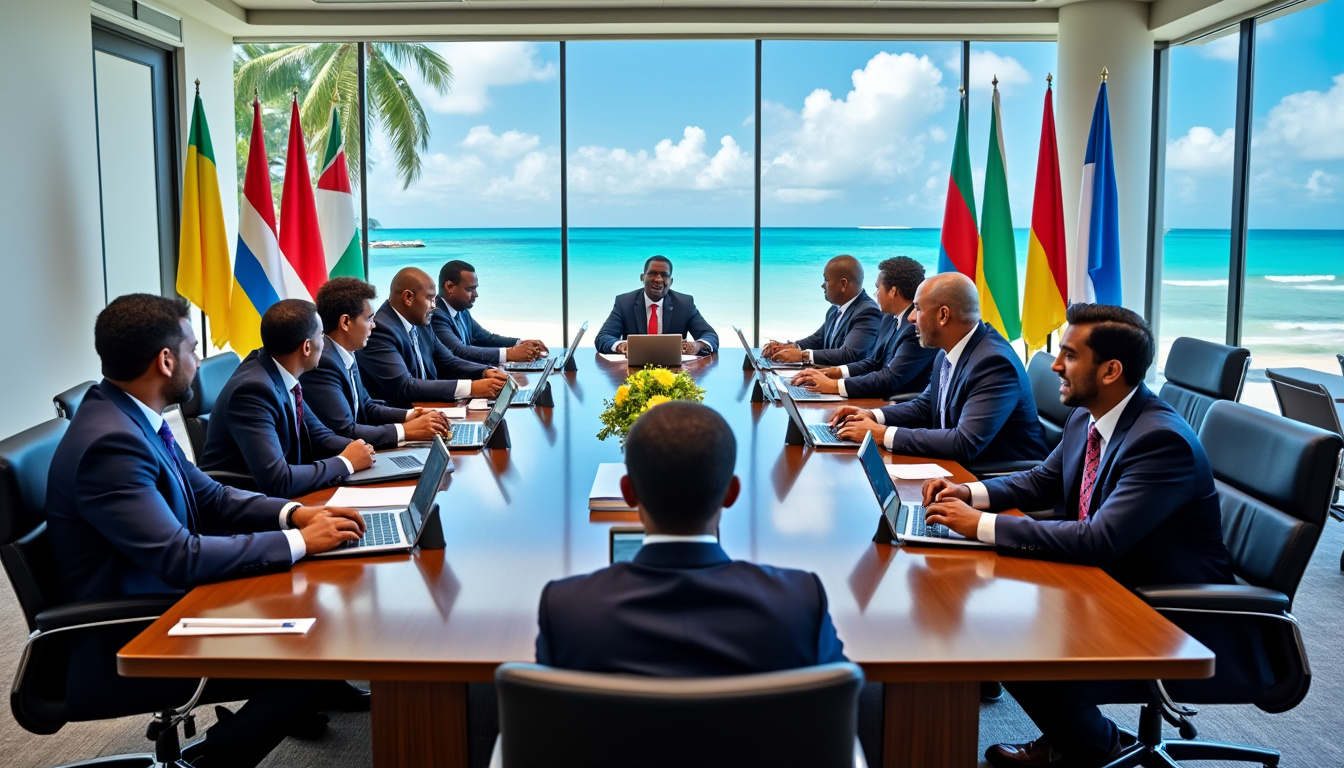
The Caribbean islands of Aruba, Curaçao, and Sint Maarten stand at a crucial crossroad in the realm of international relations and diplomacy. As the interconnected world of politics and diplomacy continues to evolve, the need for proficient government officials capable of navigating complex foreign policy challenges has never been more pronounced. In April, the Clingendael Academy pioneered a digital training program tailored specifically for government officers from these islands. This two-week interactive experience delved into essential themes rooted in diplomacy, including effective communication, negotiation techniques, and collaborative regional partnerships. By bringing together a diverse group of officials, the program not only aimed to enhance individual competencies but also fostered a collective approach to diplomacy within the Kingdom of the Netherlands.
Dynamic Diplomacy Learning Experience in the Caribbean
The training program orchestrated by the Clingendael Academy was meticulously designed to cater to the unique challenges faced by government officials in Aruba, Curaçao, and Sint Maarten. Participants engaged in a two-week immersive program that revolved around thematic explorations of diplomacy, regional cooperation, and multilateral relations. The curriculum included enriching discussions, practical workshops, and expert-led lectures that aimed to equip officials with the skills necessary to navigate the complexities of foreign affairs.
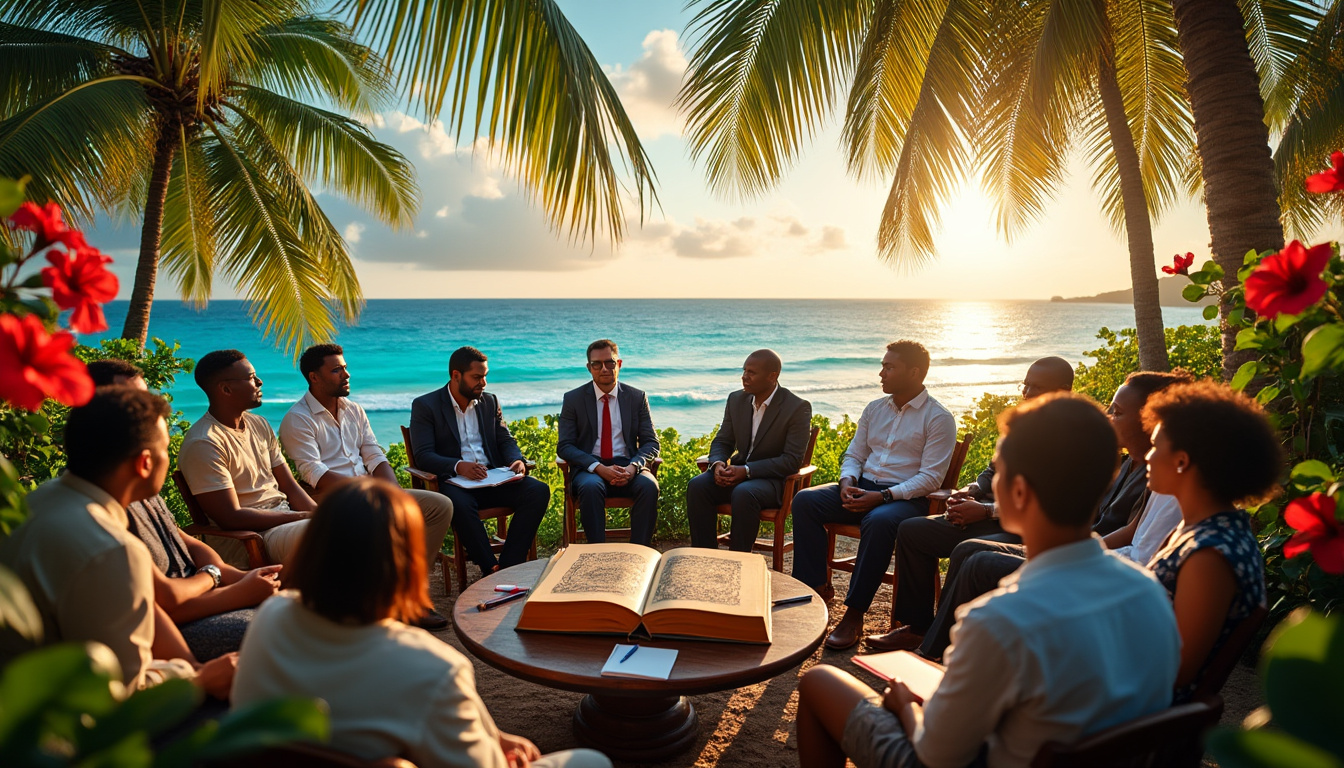
One focal point of the training was the importance of collaboration among islands. Officials had the opportunity to share their individual insights and experiences, gaining a broader understanding of the foreign policy landscape within the Kingdom. This collaborative approach was particularly vital as it allowed participants to assess shared values and dive into critical discussions concerning security, sustainability, and regional cooperation.
Building Bridges Through Shared Learning Objectives
The core objective of the training program revolved around creating an environment where participants could engage meaningfully. Each official undertook an overarching assignment that informed their contributions to group discussions. Participants exchanged findings during collaborative sessions that fostered in-depth understanding and dialogue among peers.
- Encouraging active participation among officials.
- Facilitating knowledge sharing regarding foreign policy initiatives.
- Fostering networking opportunities with representatives from various organizations, including the Dutch Ministry of Foreign Affairs.
- Building a foundation for future collaborations.
The dynamic structure of the program supported an engaging learning atmosphere, which is indispensable for cultivating diplomatic skills. Participants were not only allowed to express their views but also to listen and learn from their counterparts, creating a space for open communication—an essential diplomatic skill that transcends cultural boundaries.
Topics Covered and Key Skills Developed in Diplomacy
One prime focus of the training was to delve into critical themes surrounding the role of the European Union within the Caribbean context. Through expert-led lectures, attendees explored EU Law and its relevance to the Overseas Countries and Territories (OCTs). This session provided valuable insights regarding legal frameworks and cooperation mechanisms between the EU and the islands.
An inspiring guest lecture was delivered by former Member of the European Parliament, Samira Rafaela. Drawing from her vast experience, she emphasized the importance of not just understanding the legal ties but also fostering emotional and strategic connections with the European Union. This kind of interaction reinforces the idea that diplomacy is as much about relationships as it is about formal agreements.
Key Skills Cultivated During the Program
The training program encompassed a variety of essential diplomatic skills, designed to enhance the participants' proficiency in international relations. Key skills addressed included:
- Effective Influencing: Techniques to persuade stakeholders and gain support for initiatives.
- Intercultural Communication: Understanding nuances across cultures to improve engagement.
- Negotiation: Practical strategies for reaching mutually beneficial agreements.
- Scenario Planning: Analytical tools for preparing for various diplomatic scenarios.
These skills are pivotal not only for individual success but also for the collective growth in the diplomatic arena. As officials hone their abilities, they contribute to an evolving diplomatic environment that is responsive to the specific interests and needs of their islands.
Networking Opportunities and Future Collaborations
Perhaps one of the most significant benefits of the training was the opportunity for participants to engage with key diplomatic representatives. After the workshops, a dedicated networking session was held with officials from the Dutch Ministry of Foreign Affairs, facilitating meaningful conversations that could pave the way for future collaborations. Such interactions highlight the entrenched belief that diplomacy thrives on partnerships.
During these networking sessions, various topics were discussed, including:
| Topic | Importance |
|---|---|
| Security Cooperation | Ensures stable environments for citizens and businesses. |
| Multilateral Cooperation | Enhances regional influence in global affairs. |
| Sustainability Initiatives | Aligns with global climate goals and local imperatives. |
Such collaborative efforts can yield substantial benefits, both for individual islands and the Kingdom as a whole. The future of diplomacy rests on establishing networks that not only foster relationships but also create platforms for shared objectives and collective actions.
Developing a Holistic Approach to Diplomacy
A holistic approach to diplomacy was another theme emphasized throughout the training. The relevance of understanding various global dynamics cannot be overstated, especially in today's ever-changing political landscape. Modern challenges such as climate change and social unrest require a multifaceted perspective—and training in diplomacy offers a robust foundation for tackling these issues effectively. Participants gained insights into how to balance national priorities with global responsibilities.
Implementing Skills in Real-World Scenarios
Each participant's ability to integrate the skills learned during the program into real-world contexts was also a focal point of the training. Workshops were organized to simulate real-life scenarios that governmental officials might encounter. This practical engagement provided an opportunity for participants to apply their knowledge and hone their skills in a controlled environment.
As they worked through complex scenarios, they were able to:
- Identify potential challenges and craft strategic responses.
- Practice negotiation techniques.
- Utilize effective communication strategies to navigate difficult discussions.
This hands-on experience is essential for fostering confidence among participants, ensuring that they are not only well-versed in theory but ready to tackle diplomatic challenges head-on when they arise in their professional lives.
Conclusion of the Training Experience: A Path Forward
The Clingendael Academy's digital training program concluded on an encouraging note, with participants expressing gratitude for the insights gained and the connections established. As officials from Aruba, Curaçao, and Sint Maarten continue their journey in diplomacy, the skills acquired during this program will undoubtedly serve as fundamental building blocks for their future endeavors.
The engagement, critical discussions, and connections forged during the program set the stage for ongoing collaboration among the islands. As they return to their respective roles, they carry forward not just knowledge, but a renewed sense of purpose in the realm of diplomacy. Emphasizing the shared interests and common goals among these tropical islands, the training has ignited a momentum towards collective growth in diplomatic practice.
Through continuous engagement with institutes like the Diplomatic Academy and collaborative networks established within the Civic Engagement Center, the governments of Aruba, Curaçao, and Sint Maarten can look forward to a vibrant diplomatic landscape that embraces partnership and cooperation as its cornerstones.