Curaçao and Sint Maarten unveil their new currency
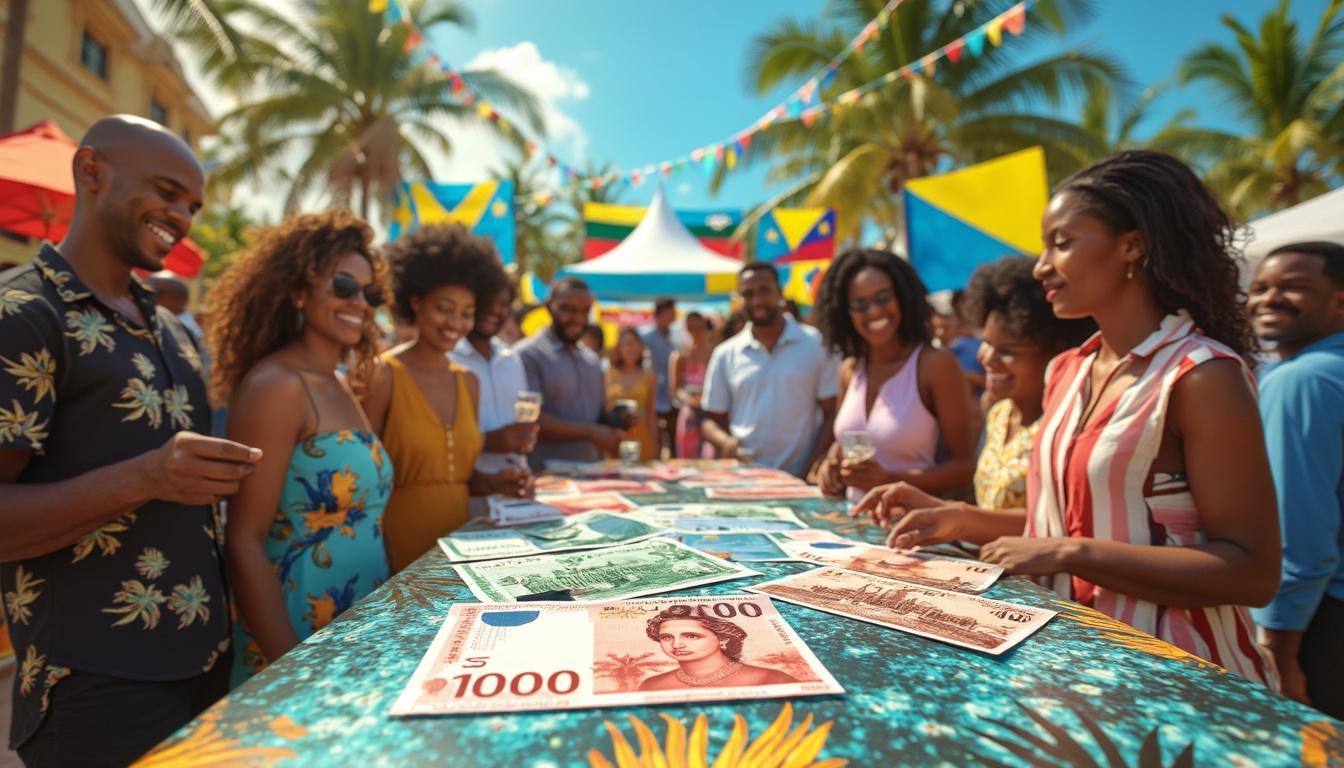
The Caribbean islands of Curaçao and Sint Maarten are set to embark on a historical journey as they unveil their new currency, the Caribbean guilder (XCG). This significant shift comes as both nations aim to strengthen their financial ties while modernizing their economic frameworks. The transition from the Netherlands Antillean guilder (ANG) to the Caribbean guilder marks a fresh chapter in their monetary history, symbolizing both innovation and unity.
The Transformation from Netherlands Antillean Guilder to Caribbean Guilder
The Caribbean guilder is not merely a new medium of exchange; it represents the culmination of various economic and cultural aspirations shared by the people of Curaçao and Sint Maarten. As both territories have developed unique identities while sharing overarching historical contexts, the introduction of the Caribbean guilder reflects a commitment to enhancing their economic independence and mutual collaboration.
This new currency comprises five banknotes and seven coins, each meticulously designed to capture the essence of both islands. The theme, “World Under the Sea,” highlights not only the stunning marine biodiversity that both Curaçao and Sint Maarten boast but also mirrors the bonds that tie their peoples together. Front imagery features vibrant marine life, while the reverse side celebrates historical and cultural icons significant to the region. The pursuit of enhanced economic resilience through this currency is vital for sustaining their tourism-dependent economies.
Travelers visiting these Caribbean paradises will find a blended experience during the transition, as both currencies will coexist for a limited time. Visitors can continue to use the Netherlands Antillean guilder until late June while exchanging it for the Caribbean guilder at commercial banks up until March 31, 2026. Full adoption signifies not only a financial shift but also an opportunity to promote investments and trade throughout the Caribbean region.
- Introduction of the Caribbean guilder on March 31, 2025
- Five banknotes and seven coins with marine-themed designs
- Historically significant figures represented on the reverse side of the banknotes
- Coexistence of ANG and XCG until March 31, 2026
- Long-term exchange availability through March 31, 2055
| Feature | Details |
|---|---|
| Currency Name | Caribbean guilder (XCG) |
| Exchange Rate | 1 US dollar = 1.79 Caribbean guilders |
| New Notes | 5 banknotes featuring marine life |
| New Coins | 7 coins with equal value to ANG |
| Transition Period | ANG accepted until March 31, 2026 |
Designing a Currency that Embodies the Islands
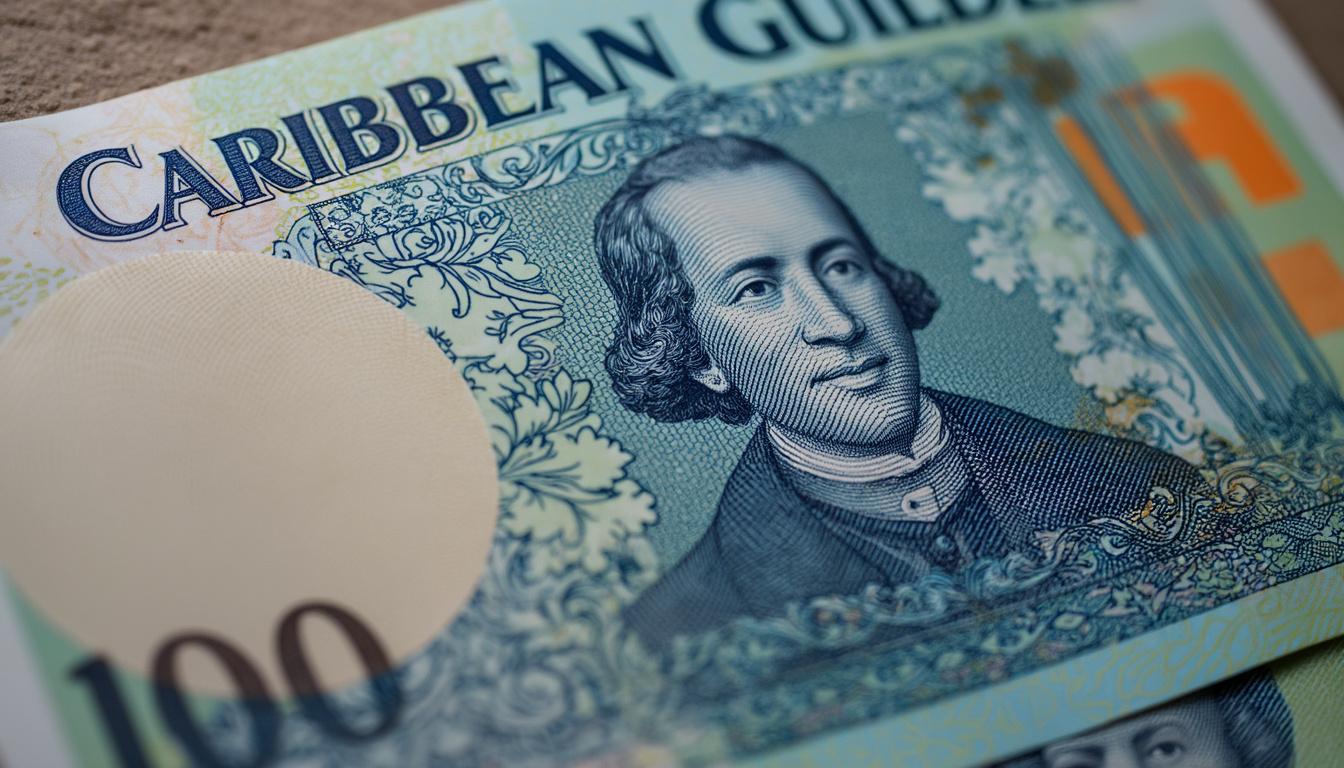
The design of the Caribbean guilder is emblematic of the regions it represents. Each element was thoughtfully selected to reflect the cultural heritage, natural splendor, and economic aspirations of both Curaçao and Sint Maarten. The adoption of marine-themed elements pays homage to the societies built around the sea, linking their identities closely to the stunning coastlines that attract millions of tourists each year.
As part of the “World Under the Sea” theme, banknotes exhibit various aspects of underwater life, including coral reefs, exotic fish, and marine flora. These details not only appeal visually but also serve an educational purpose, reminding the public of the ecological treasures at stake. On the reverse side of the notes, historical figures and cultural icons, such as influential leaders in the Caribbean's history, are celebrated, creating a currency that tells a story beyond mere initials.
The combination of these design elements fosters a sense of pride among the citizens, instilling a deeper connection between the currency and its users. It promotes the idea that money is not just a tool for transactions, but a representation of shared values and aspirations. As they transition to the Caribbean guilder, the people of Curaçao and Sint Maarten engage in an act of unity and innovation.
- Focus on marine life and the environment in banknote designs
- Highlighting cultural and historical figures
- Creating a sense of pride and unity among citizens
- Educating those economically active about ecological preservation
- Encouraging tourism through distinctive, attractive currency
| Banknote Denominations | Front Design | Back Design |
|---|---|---|
| XCG 10 | Coral reefs | Cultural icon from Curaçao |
| XCG 20 | Tropical fish | Historical figure from Sint Maarten |
| XCG 50 | Underwater landscapes | Celebration of local heritage |
| XCG 100 | Marine Flora | Key historical events |
| XCG 200 | Diverse aquatic life | Representing unity between the islands |
The Economic Implications of the Caribbean Guilder
The introduction of the Caribbean guilder holds significant financial implications for both Curaçao and Sint Maarten. The shared currency is expected to streamline economic activities, enhancing trade relations and fostering investments between the two islands. As homeowners and business owners consider the benefits of a unified currency, the potential for increased economic growth becomes evident.
This shift aims to reduce transaction costs, making cross-island business dealings more efficient. It draws attention to the need for financial inclusivity as the economies navigate global markets. A shared currency can also stabilize economic policy, creating an environment conducive to long-term growth and resilience amidst global fluctuations.
Moreover, as Curaçao and Sint Maarten develop financial infrastructure to support the Caribbean guilder, it will enable them to attract investments geared toward sustainable tourism and other key sectors. Strengthened economic ties could lead to increased tourism revenue, and the opportunity to diversify their economies further solidifies their long-term economic strategy.
- Enhanced trade relations through a common currency
- Reduction in transaction costs for businesses
- Attracting tourism with a recognizable currency
- Encouraging sustainable investments
- Providing a framework for economic stability
| Economic Indicator | Impact of Caribbean Guilder |
|---|---|
| Trade Volume | Expected increase due to reduced costs |
| Investment Opportunities | Attraction of foreign investments |
| Tourism Revenue | Boost from a unified currency perception |
| Job Creation | Increased business activity leading to new jobs |
Preparations for the Transition: The Role of the Central Bank
The Central Bank of Curaçao and Sint Maarten (CBCS) plays a pivotal role in ensuring a seamless transition to the Caribbean guilder. As the independent monetary authority, the CBCS has focused on preparing both the public and businesses for the changes ahead. Their proactive approach involves extensive public awareness campaigns, emphasizing the significance of the new currency and how to adapt to the changes.
Additionally, the CBCS has instituted measures to maintain monetary stability and secure the integrity of the currency during the transition phase. This preparation includes the provision of informative resources, such as guides on currency exchange, ensuring that both residents and visitors understand the process.
As the adoption date approaches, the CBCS has conducted simulations and training sessions to equip financial institutions with the necessary knowledge and tools to facilitate the transition smoothly. Both the local economy and the financial sector must work in synergy for the successful implementation of the Caribbean guilder.
- Role of CBCS in the transition to the Caribbean guilder
- Public awareness campaigns launched by the bank
- Resources provided for assistance in currency exchange
- Training sessions for financial institutions
- Ensuring monetary stability during the transition
| Preparation Steps | Description |
|---|---|
| Public Awareness | Informing citizens about the new currency |
| Resource Development | Creating guides for exchange procedures |
| Institution Training | Equipping financial institutions with knowledge |
| Market Simulations | Testing the impact of the transition |