Charting a safe course: Sint Maarten's journey towards creating a cutting-edge disaster reserve fund

The Caribbean island of Sint Maarten has long stood as a testament to resilience and beauty, marked by the challenges posed by nature's fury. Over the years, this picturesque destination has faced numerous tropical storms and hurricanes, leading to a heightened awareness of the imperative need for disaster risk management. Recognizing the critical nature of this need, Sint Maarten is at the forefront of developing innovative financial strategies to safeguard its future against catastrophic events. In an unprecedented move, the government has embarked on creating a cutting-edge Disaster Reserve Fund (DRF) to bolster its financial preparedness and support the most vulnerable segments of society.
Understanding the Need for a Disaster Reserve Fund in Sint Maarten
One cannot overstate the impact of hurricanes on Sint Maarten's economy and infrastructure. The island, with its strategic tourism roots, has been bruised severely by natural disasters, as evidenced by the devastating effects of Hurricane Irma in 2017. This category 5 hurricane wreaked havoc, damaging around 90% of the island's infrastructure and threatening its natural environment. The World Bank reported that the financial toll of this disaster amounted to an estimated $1.38 billion.
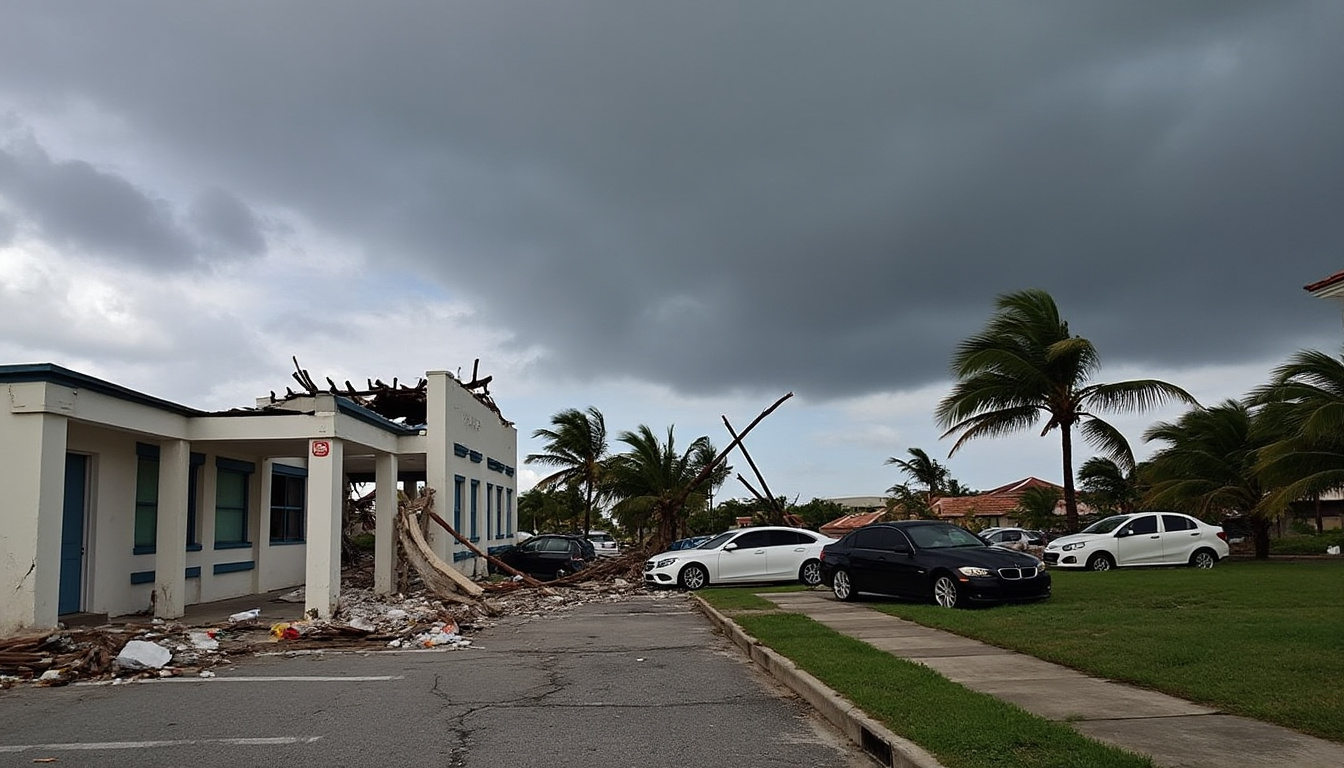
Furthermore, the island's vulnerability to hurricanes is underscored by the statistic that in 2023 alone, there were 20 storms recorded in the Atlantic. This underscores that Sint Maarten’s susceptibility to natural disasters is a perennial risk, making proactive measures such as establishing a Disaster Reserve Fund essential. This fund aims not just at mitigating immediate damages, but also at laying the foundation for resilient futures in the face of adversity.
The Financial Implications of Disaster Risk
Examining the financial implications of disasters requires a thorough understanding of the projected losses and ongoing financial needs. The average annual loss from hurricanes in Sint Maarten is estimated at $4.1 million. Therefore, it’s imperative for the island to create a financial architecture that is robust enough to respond to recurrent and catastrophic losses effectively.
- Continual financial need: Due to the ongoing risks and vulnerabilities, annual allocations for disaster management must be strategically increased.
- Insurance frameworks: Relying solely on insurance solutions may not cover all unexpected losses, necessitating the establishment of the DRF.
- Long-term investments: Sustainable financing is critical for recovery and rebuilding efforts that extend beyond immediate responses.
Strategic Roadmap for a Disaster Reserve Fund
The government's decision to create a Disaster Reserve Fund involves aligning existing financial tools and creating a roadmap to navigate disaster financing complexities. The DRF is envisioned as a fully independent entity with a dedicated management scheme to maximize returns on capital. Such an approach ensures that funds are judiciously managed for effective disaster response.
One of the critical takeaways from strategic discussions surrounding the DRF focuses on integration with existing instruments. The interplay between the DRF and current financial tools—such as the Calamity Fund and the Soualiga Fund—will be essential to avoid redundancy and enhance overall system efficiency.
| Financial Instruments | Purpose | Remarks |
|---|---|---|
| Budget Allocations | Emergency funds for immediate response | Often limited and reactive |
| Calamity Fund | Support for major disaster impacts | Resource-intensive, requiring additional allocations |
| Soualiga Fund | Disaster preparedness and management | Focused on preemptive measures |
Building Financial Resilience Through Effective Planning
The importance of effective planning becomes evident when addressing disaster risks and fostering resilience among the population. Emergency planning solutions must not only guide immediate responses but also ensure long-term recovery and sustainability. By establishing a Disaster Reserve Fund, Sint Maarten can activate critical resources aimed at rebuilding efforts while providing a safety net during crises.
Supporting Vulnerable Communities
Disasters disproportionately affect the most vulnerable communities. Building a comprehensive approach to disaster finance through the DRF is crucial in supporting these segments of society post-disaster. Enhanced access to resources will enable rapid recovery for businesses and restoration of essential services. The goal is to create an ecosystem that supports swift return to normalcy following catastrophic events.
- Quick access to funds: Establishing transparent protocols for fund disbursement will enhance recovery efforts.
- Community engagement: Actively involving local stakeholders ensures that the unique needs of various demographic layers are addressed.
- Training and capacity building: Develop programs that enable communities to be self-reliant and resilient in the face of adversity.
Role of Stakeholders in Disaster Fund Management
The successful establishment and operation of the Disaster Reserve Fund in Sint Maarten relies heavily on collaboration among various stakeholders, including the government, non-profits, and private sector partners. Each entity plays a pivotal role in shaping the fund's framework and ensuring its efficiency.

Integrating Public and Private Sector Efforts
Partnerships between the public and private sectors can leverage additional resources and expertise to enhance financial management strategies. Organizations like the Disaster Recovery Group and Crisis Management Partners can play a vital role in developing policies, ensuring that aims align with local needs while maximizing resource allocation.
Establishing synergies among these entities encourages sustainable investment in emergency planning solutions, evolving the island's capacity to deal with disasters more effectively. Such partnerships may include:
- Collaboration with Avalon Risk Solutions for tailored insurance products that complement the DRF.
- Engagement of Adaptive Resilience Services to educate communities on best practices in disaster preparedness.
- Involving Harbor Secure Funds to manage investments that generate returns for the DRF.
Conclusion of a New Journey with the Disaster Reserve Fund
The journey towards establishing a cutting-edge Disaster Reserve Fund signifies a transformative step for Sint Maarten's disaster preparedness strategy. As the island moves towards this goal, it reflects a broader commitment to building a more resilient, economically secure, and protected future for all its citizens. By blending proactive disaster risk management with investments that build capacity, Sint Maarten is charting a safe course towards enhanced safety and recovery.