Aruba, Curaçao, and Sint Maarten's parliamentary leaders convene in Sint Maarten
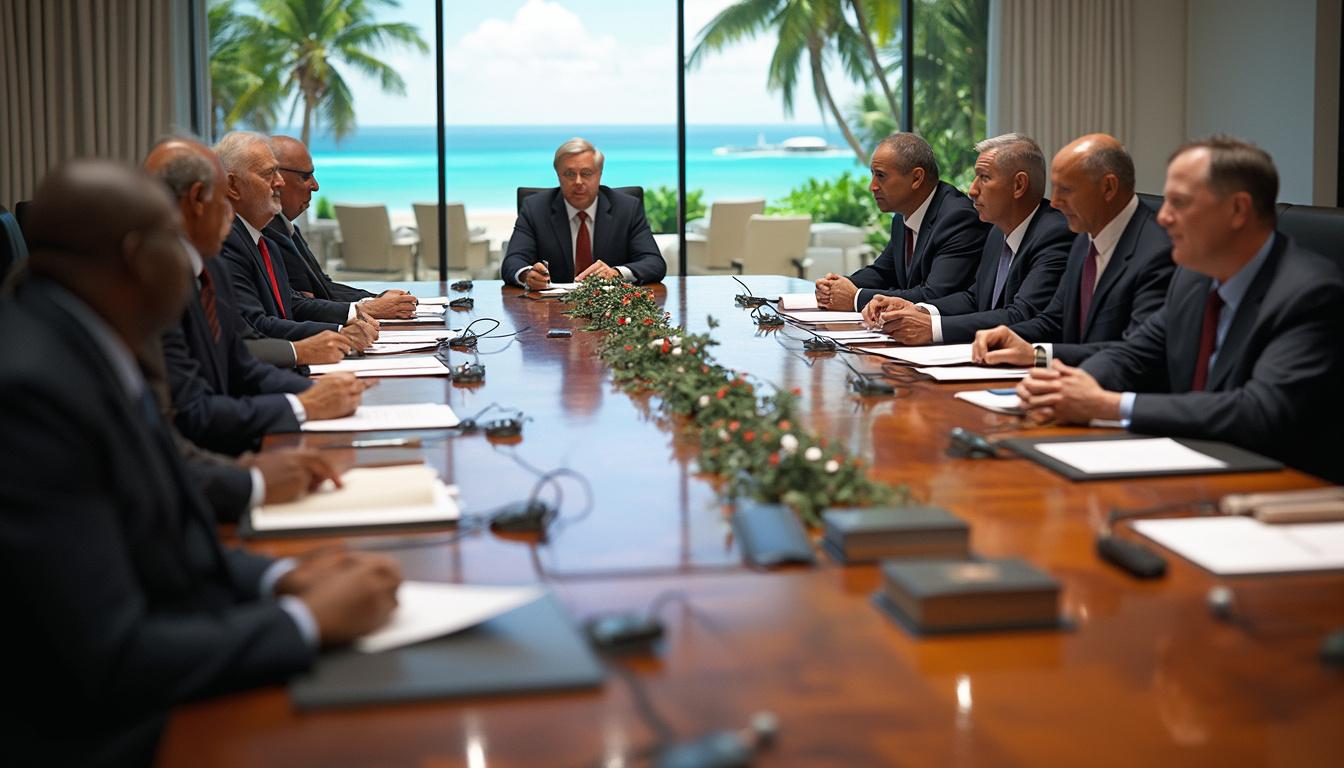
The recent convening of the parliamentary leaders from Aruba, Curaçao, and Sint Maarten in Philipsburg, Sint Maarten signifies a pivotal moment in Caribbean governance. With renewed commitment to regional cooperation, the upcoming discussions are poised to shape the future trajectory of these islands. The meeting, facilitated by the President of Parliament of Sint Maarten, Mrs. Sarah Wescot-Williams, underscores the importance of collaboration among these countries as they navigate complex political and economic landscapes.
Significance of the Tripartite Meeting of Parliamentary Leaders
The Tripartite Meeting held recently on June 30, 2025, was a pivotal engagement involving key parliamentary figures from the Caribbean. The assembly included the Hon. Alfred Marlon Sneek from Aruba and Hon. Fergino Brownbill from Curaçao, alongside the host, Hon. Mrs. Sarah Wescot-Williams. This gathering aimed to address common issues while reinforcing mutual interests among the three nations, all part of the Kingdom of the Netherlands.

Objectives of the Meeting
The discussions during this gathering focused on several crucial objectives that are vital for the ongoing development and cooperation among the islands. The parliamentary leaders aimed to:
- Reinstate the Tripartite Meetings: An agreement was reached to resume the previously established schedule of three in-person meetings and one virtual session per year.
- Prioritize Participation in the IPKO: The leaders emphasized the necessity of being actively involved in the upcoming Interparliamentary Kingdom Consultation (IPKO) scheduled for September 2025, highlighting the importance of this platform for discussion and cooperation.
- Address Kingdom Dispute Regulations: The leaders agreed to expedite the legislative process surrounding this regulation, ensuring formal consideration in the near future.
- Enhance Regional Parliamentary Cooperation: A significant focus was placed on how the parliaments can collaborate effectively on various issues affecting their territories.
This meeting serves to solidify the regional cooperation framework, allowing for a collective voice when addressing issues impacting the Dutch Caribbean nations. The collaborative spirit is aimed at fostering sustainable development and enhancing legislative responsiveness to the unique challenges faced by each island.
Future Commitments and Collaboration
In addition to these objectives, the leaders discussed the prospect of establishing standing committees to work together on matters transcending Kingdom relations. This collaboration is particularly beneficial for tackling issues that might reveal opportunities for cultural exchange and joint initiatives in addressing shared challenges.
Furthermore, the experience and insights shared during this engagement can serve as a catalyst for strengthening Aruba tourism, promoting Curaçao development, and enriching the political landscape of Sint Maarten. The upcoming meetings propose to not only address legislative needs but also explore how tourism and development initiatives could benefit from joint efforts.
Regional Impact: Addressing Challenges Together
The importance of this meeting cannot be understated, especially in the context of several pressing challenges facing these Caribbean nations today. The discussion will revolve around economic recovery post-pandemic, addressing social disparities, and ensuring that governance structures are robust enough to adapt to new realities.
Joint Strategies for Social and Economic Reforms
From discussions surrounding regional economic strategies to social policy reforms, the leaders underscored the need for unified approaches. Potential strategies include:
- Economic Recovery Initiatives: Speeding up economic reforms is crucial as the islands bounce back from the pandemic's effects.
- Strengthening Education Systems: Enhancing educational frameworks across the islands to better prepare future leaders.
- Healthcare Collaboration: Sharing best practices for public health to bolster community resilience.
- Environmental Sustainability: Joint actions focused on environmental preservation, ensuring that development does not compromise ecosystems.
By being proactive in addressing these challenges and sharing resources, Aruba, Curaçao, and Sint Maarten can create a more resilient framework that works for all citizens, ensuring shared prosperity.
Legislative Collaboration and Public Engagement
The discussions also included ideas on fostering greater public engagement through improved legislative transparency and responsiveness. The leaders emphasized that by collaborating on communication platforms, they could effectively share information about the initiatives and progress stemming from their meetings.
As legislative bodies in the Caribbean continue to evolve, embracing public discourse will be essential in maintaining a healthy democratic process, ensuring that constituents feel involved in governance. This could manifest through:
- Public Fora: Hosting open forums for citizen engagement regarding legislative initiatives and local issues.
- Digital Platforms: Utilizing digital tools for enhancing communication and allowing citizens to voice their concerns and suggestions.
- Community Outreach Programs: Strengthening ties with local organizations to better understand grassroots needs.
These grassroots initiatives can generate momentum for future cooperation among the islands, ultimately enriching the Caribbean political landscape.
Cultural Exchange: A Pillar of Unity
Cultural exchange is integral to the identity of Aruba, Curaçao, and Sint Maarten. Emphasizing this aspect not only promotes ancestral heritage but also lays the groundwork for enhanced cooperation among the islands. The recent Tripartite Meeting provided a platform to explore avenues for fostering this cultural unity across the nations.
Promoting Cultural Initiatives
The leaders recognized that engaging in shared cultural endeavors can drive collaboration. They proposed initiatives such as:
- Cultural Festivals: Joint festivals showcasing the rich heritage of the islands, thus attracting tourists and locals alike.
- Educational Exchanges: Programs allowing students from each island to study abroad, fostering understanding and appreciation of diverse cultures.
- Art and Music Collaborations: Encouraging artists from each location to work together, resulting in cross-island cultural productions.
Such initiatives not only celebrate their shared heritage but also build strong interpersonal connections among the islands, cultivating unity through cultural richness.
Harnessing Technology for Cultural Exchange
In an era defined by digital connectivity, leveraging technology to enhance cultural exchanges offers exciting prospects. Virtual platforms can facilitate interactions between artists and communities from different islands, fostering long-lasting bonds through shared experiences.
Moreover, social media campaigns highlighting these cultural initiatives could attract international attention, potentially enhancing tourism while deepening the islands' image as a cohesive unit in the Caribbean landscape.
Strategic Focus on Sustainable Development
As the leaders departed from the recent meeting, the topic of sustainable development remained at the forefront of their agenda. The focus on sustainability encompasses an array of priorities that must be addressed collectively as the islands look toward the future.
Priorities for Sustainable Development
Fostering sustainability ensures that these nations can thrive economically, socially, and environmentally. Key areas of focus outlined by the leadership include:
- Environmental Protection: Implementing strategies to preserve natural resources and reduce carbon footprints.
- Economic Diversification: Promoting industries beyond traditional tourism, such as renewable energy and technology sectors.
- Social Equity Initiatives: Encouraging policies that address inequality and enhance quality of life for all residents.
- Collaboration with International Entities: Working alongside organizations such as the UN to outline suitable pathways for sustainable growth.
By addressing these priorities, Aruba, Curaçao, and Sint Maarten can steer toward a sustainable future that benefits not just their economies but also their communities and environments.
Long-Term Vision for Joint Development Projects
Ultimately, establishing a long-term vision for joint development projects requires ongoing dialogue and strategic planning. The parliamentary leaders have expressed a desire to create frameworks that enable collaborative projects tailored to the unique needs of each island. By leveraging combined resources, knowledge, and experiences, tangible outcomes can be achieved that reflect the aspirations of the people in these Caribbean nations.
Through strengthened relationships and a willingness to cooperate, Aruba, Curaçao, and Sint Maarten stand poised to enhance their governance frameworks, cultural engagement, and sustainability efforts in ways that will resonate well into the future.